
Most recent
New Guidelines Recommend Routine Prostate Cancer Screening for Men Over 50
Prostate cancer is a significant health concern for men, especially as they age. Learn more at Urology Today.
9 min read
Can’t pass urine, fever with back pain, or sudden testicle pain? These need urgent care today.Urgent urology symptoms What to do
Topic
43 articles
Most recent
Prostate cancer is a significant health concern for men, especially as they age. Learn more at Urology Today.
9 min read
A deficiency in testosterone can lead to a variety of symptoms, such as fatigue, reduced libido, and mood changes. Learn more at Urology Today.
7 min read

GLP-1 helps regulate blood sugar by increasing insulin release, reducing glucagon secretion, and slowing gastric emptying. Learn more at Urology Today.
8 min read

Fitness experts insist that Yoga helps combat prostate growth by strengthening the muscles of the pelvic floor for better bladder control and lessens the severity of benign prostatic hyperplasia symptoms in men. Try these Yoga asanas with their steps inside Only in the male reproductive system is the prostate gland, a little endocrine gland that
4 min read
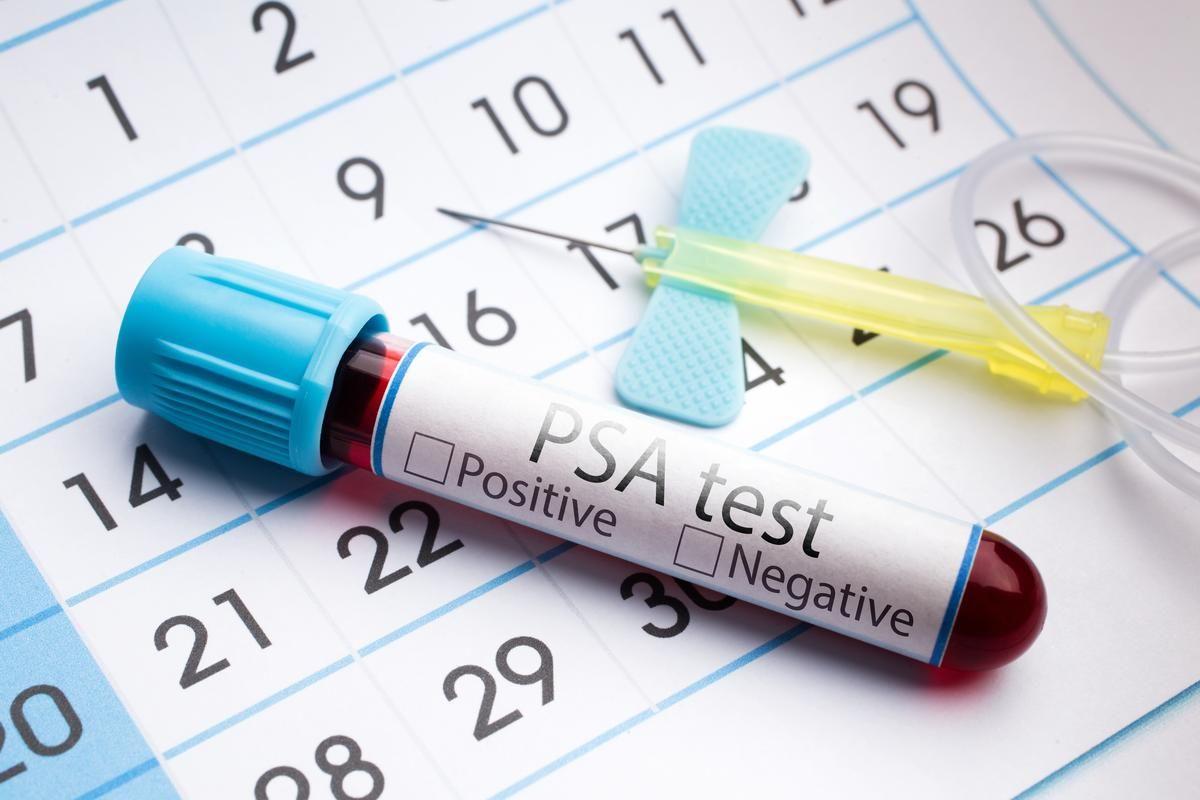
A study of men treated in Veterans Health Administration facilities suggested that lower prostate-specific antigen (PSA) screening rates were associated with subsequent increased rates of metastatic prostate cancer. Across 128 facilities, PSA screening rates declined from 47% in 2005 to 37% in 2019, which was observed across all ages and races, reported Brent S. Rose,
6 min read
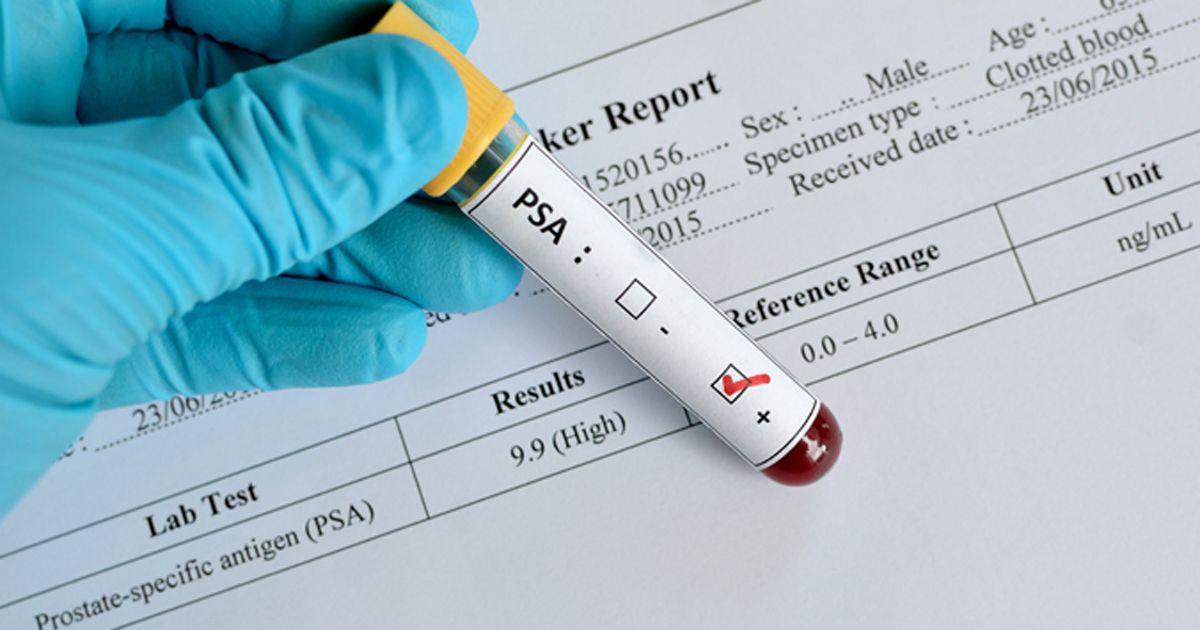
A promising new test is detecting prostate cancer more precisely than current tests, by identifying molecular changes in the prostate specific antigen (PSA) protein, according to Cleveland Clinic research presented today at the American Urological Association annual meeting. The study – part of an ongoing multicenter prospective clinical trial – found that the IsoPSATM test
4 min read
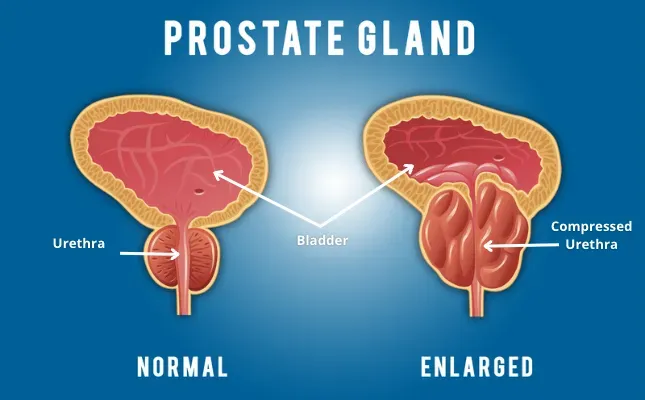
Conventional imaging methods have limited sensitivity for detecting metastatic prostate cancer. With appropriate, timely treatment vital to survival and quality of life, better imaging has been an ongoing goal. A recent study, reported in the January issue of The Journal of Nuclear Medicine, has now shown in a prospective, systematic manner that a PET/CT scan,
4 min read
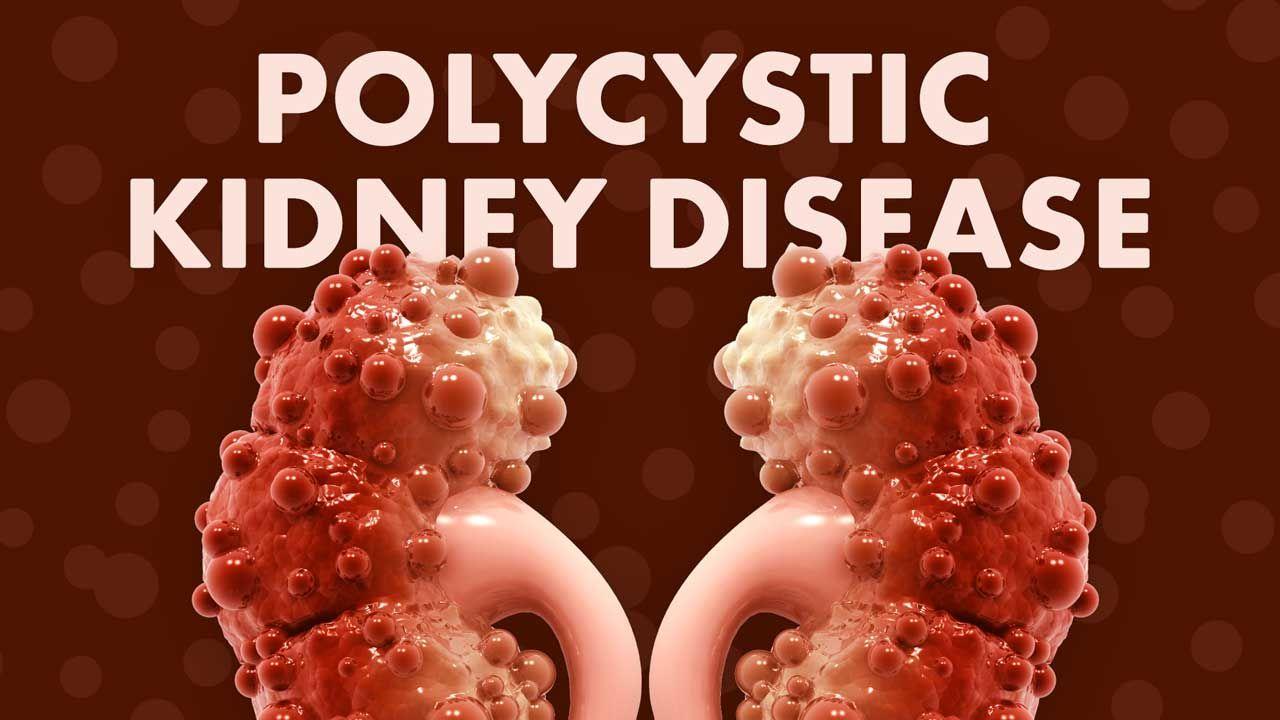
Published in the Journal of the American Society of Nephrology, the treatment, which involves targeting tiny blood and lymphatic vessels inside the kidneys, is shown to improve renal function and slow progression of disease in mice. Polycystic kidney disease (PKD) is a genetic disorder where fluid filled cysts grow in kidneys and destroy normal renal
3 min read

A new urine-based test improved prostate cancer detection – including detecting more aggressive forms of prostate cancer – compared to traditional models based on prostate serum antigen, or PSA, levels, a new study finds. The test, developed at the University of Michigan Comprehensive Cancer Center, is called Mi-Prostate Score, or MiPS. It combines PSA with
4 min read
The knock-on effects of the economic downturn have been explored in economy and psychology. Now researchers are examining the effects of unemployment on an even darker subject – cancer mortality. One would think that dealing with unemployment was challenge enough. But according to the latest research published in ecancermedicalscience, rises in unemployment are associated with
2 min read
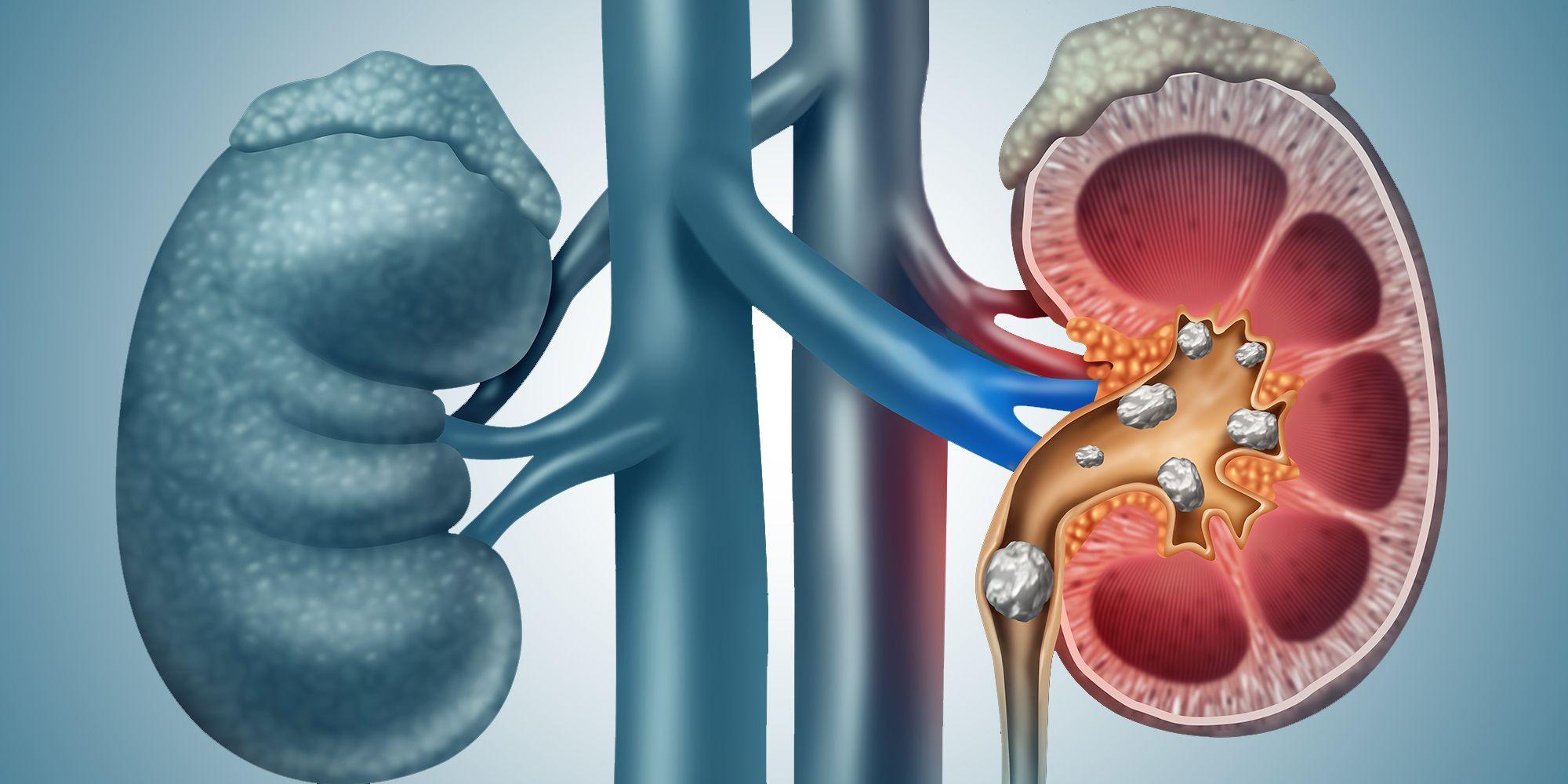
A new tool that takes multiple factors into account can accurately predict how likely a patient who experienced a painful kidney stone will develop another one in the future. The tool, which is described in an upcoming issue of the Journal of the American Society of Nephrology (JASN), could help patients and their doctors determine
3 min read
The kidneys preserve a very delicate balance in the body. They compensate for your food and fluid intake to maintain this balance. For instance, if you drink a great deal of water, there is a greater volume of urine. If you eat a lot of salt (that bag of potato chips that disappeared during the
4 min read
Urinary symptoms?
Weak stream, urgency, up at night? Score it in two minutes.
Seven questions from the International Prostate Symptom Score show whether symptoms are mild, moderate or severe, and when to see a doctor.
When to get help
Call 911 or go to an emergency department if you have any of these:
Outside the US, call your local emergency number.
See a doctor within days
General guidance only. If you are unsure how urgent a symptom is, call your doctor or a nurse advice line.