Skip to content

Urgent urology symptoms What to do

Topic

Urinary Tract Stones

4 articles

New test predicts individual’s risk of second kidney stone

Most recent

New test predicts individual’s risk of second kidney stone

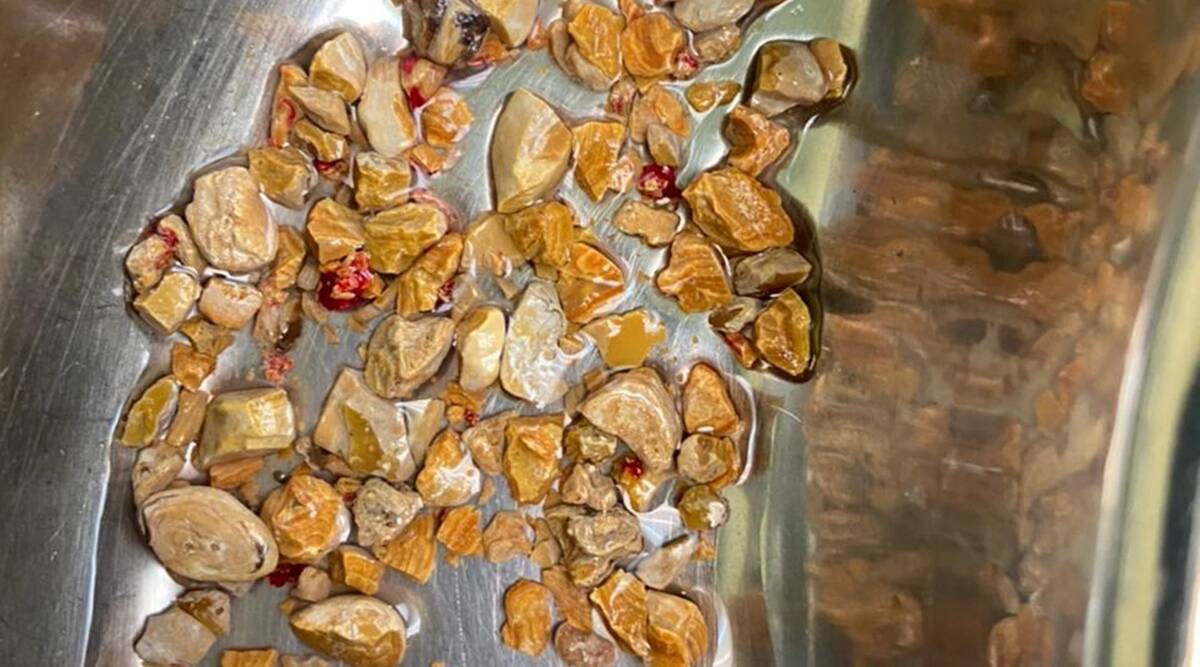
A new tool that takes multiple factors into account can accurately predict how likely a patient who experienced a painful kidney stone will develop another one in the future. The tool, which is described in an upcoming issue of the Journal of the American Society of Nephrology (JASN), could help patients and their doctors determine

3 min read
New test predicts individual’s risk of second kidney stone
Urinary Tract Stones

New recommendations to prevent recurrent kidney stones

In a new evidence-based clinical practice guideline published today in Annals of Internal Medicine, the American College of Physicians (ACP) recommends that people who have had a kidney stone increase their fluid intake to achieve at least two liters of urine per day to prevent another kidney stone from forming. If increased fluid intake fails

2 min read

Upper urinary tract
Urinary Tract Stones

Upper urinary tract

In the cervical portions of the paired blocks of intermediate mesoderm the primitive precursor of the kidney, the pronephros, first appears in the fourth week of gestation. This structure rapidly regresses in the human embryo. The midzone mesonephros, however, continues to differentiate, giving rise to tubular structures which, although ultimately destined to contribute to the

7 min read

Urinary symptoms?

Weak stream, urgency, up at night? Score it in two minutes.

Seven questions from the International Prostate Symptom Score show whether symptoms are mild, moderate or severe, and when to see a doctor.

Take the symptom score

When to get help

Most urology problems can wait for an appointment. These can’t.

Call 911 or go to an emergency department if you have any of these:

  • You cannot pass urine at allAcute urinary retention: a painful, swollen bladder. It needs a catheter, often within hours.
  • Fever or chills with back or side painA blocked, infected kidney (for example behind a stone) can turn into sepsis quickly.
  • Sudden, severe pain in a testiclePossible testicular torsion. The testicle can often be saved only within about 6 hours.
  • An erection lasting over 4 hoursPriapism. Without treatment it can cause permanent damage.
Call 911

Outside the US, call your local emergency number.

See a doctor within days

  1. 01Blood in your urineEven once, and even without pain. Usually harmless, but it is the most common first sign of bladder and kidney cancer.
  2. 02Burning, frequent or cloudy urineTypical of a urinary tract infection, which usually clears with treatment.
  3. 03A lump or swelling in a testicleMost lumps are benign; testicular cancer is very treatable when found early.

General guidance only. If you are unsure how urgent a symptom is, call your doctor or a nurse advice line.