Skip to content

Urgent urology symptoms What to do

Topic

Anatomy of Pelvic Support

6 articles

Kidney failure impacts survival of sepsis patients

Most recent

Kidney failure impacts survival of sepsis patients

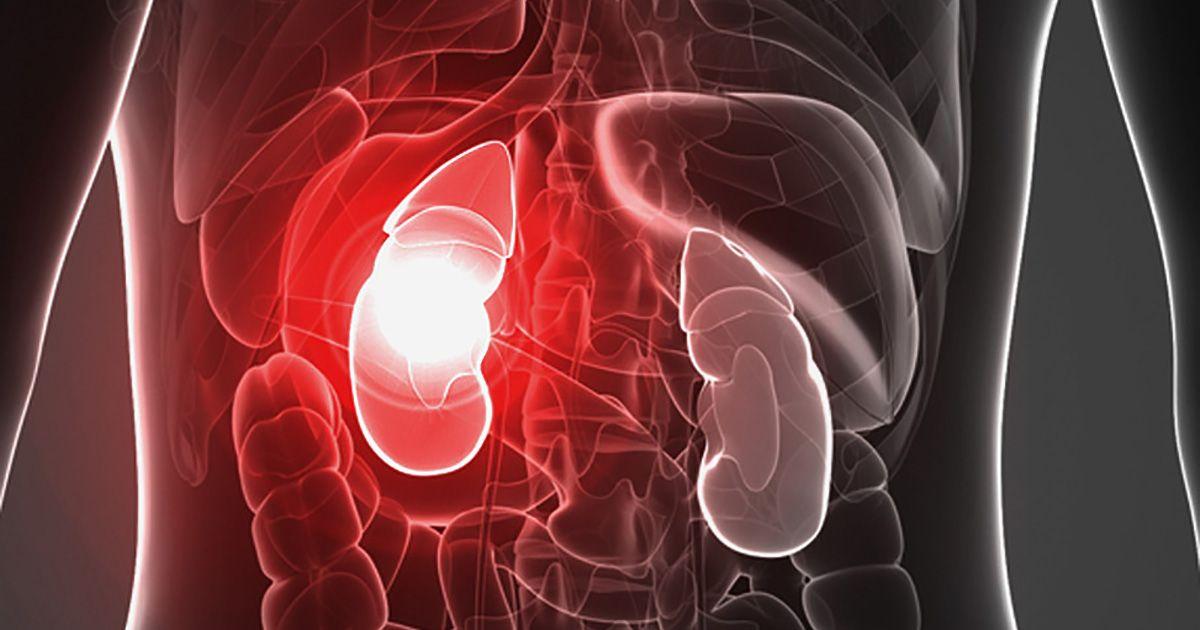
Researchers at Duke Medicine have determined that kidney function plays a critical role in the fate of patients being treated for sepsis, a potentially life-threatening complication of an infection. In a study published May 20, 2015, in the journal Kidney International, Duke researchers and their colleagues identified physiological changes at the molecular level that might

4 min read
Anatomy of Pelvic Support

Perineum

The anatomic boundaries of the perineum are the pubis, thighs, and buttocks and can be divided into an anterior urogenital and a posterior anal triangle by drawing a line between the ischial tuberosities (Fig. 3) (7). The perineal body is a tendinous structure in the midline of the perineum between the anus and the vaginal

4 min read

Anatomy of Pelvic Support

Female Pelvic Viscera

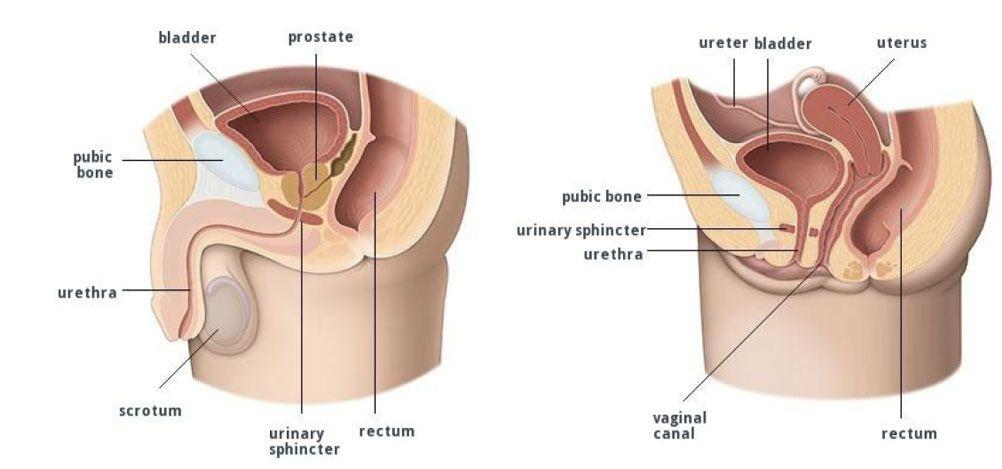
Lower Urinary Tract The bladder is comprised of the body and the trigone and normally serves to store urine at low pressures and effectively contract to urinate (7). The bladder is composed of an inner transitional epithelium, a multilayer muscular wall, and an outer serosal covering. The exact dimensions and configuration of the bladder vary

7 min read

Anatomy of Pelvic Support

Pelvic Circulation

The arterial blood supply to the pelvis and perineum are briefly reviewed. Venous drainage for the most part parallels the arterial vessels. The aorta bifurcates at the level of the fourth lumbar vertebrae into the common iliac arteries (Fig. 8). The arteries run anterior and lateral to the veins at this level (1). The common

3 min read

Anatomy of Pelvic Support

Musculature and Fasciae of the Pelvis

The striated musculature of the pelvic floor provides dynamic support for the visceral contents of the abdominopelvic cavity. The pelvic floor consists of the pelvic diaphragm and the perineal membrane, which are described separately (Fig. 3) (3). The pelvic diaphragm refers to the levator ani group (LAG), the coccygeus muscles, and the associated fascia. The

4 min read

Lower urinary tract
Anatomy of Pelvic Support

Lower urinary tract

The lower urinary tract originates from the cloaca, the section of primitive hindgut into which the mesonephric ducts and embryonic ureters drain. Between the fourth and sixth weeks of gestation, the cloaca is subdivided by the descent of the urorectal septum towards the perineum and by lateral ingrowth of the folds of Rathke. The effect

3 min read

Urinary symptoms?

Weak stream, urgency, up at night? Score it in two minutes.

Seven questions from the International Prostate Symptom Score show whether symptoms are mild, moderate or severe, and when to see a doctor.

Take the symptom score

When to get help

Most urology problems can wait for an appointment. These can’t.

Call 911 or go to an emergency department if you have any of these:

  • You cannot pass urine at allAcute urinary retention: a painful, swollen bladder. It needs a catheter, often within hours.
  • Fever or chills with back or side painA blocked, infected kidney (for example behind a stone) can turn into sepsis quickly.
  • Sudden, severe pain in a testiclePossible testicular torsion. The testicle can often be saved only within about 6 hours.
  • An erection lasting over 4 hoursPriapism. Without treatment it can cause permanent damage.
Call 911

Outside the US, call your local emergency number.

See a doctor within days

  1. 01Blood in your urineEven once, and even without pain. Usually harmless, but it is the most common first sign of bladder and kidney cancer.
  2. 02Burning, frequent or cloudy urineTypical of a urinary tract infection, which usually clears with treatment.
  3. 03A lump or swelling in a testicleMost lumps are benign; testicular cancer is very treatable when found early.

General guidance only. If you are unsure how urgent a symptom is, call your doctor or a nurse advice line.