
Skip to content

Urgent urology symptoms What to do

Topic

Pediatric Urology

3 articles

Many doctors still recommend PSA testing to screen for prostate cancer

Most recent

Many doctors still recommend PSA testing to screen for prostate cancer

Like many men his age, Marlin Zook began getting prostate screenings about 15 years ago even though he had no risk factors for prostate cancer. When his PSA level turned up elevated, his doctor began watching it more closely. A biopsy in 2000 showed abnormal cells deemed moderately aggressive. Zook underwent radiation and today, at

6 min read
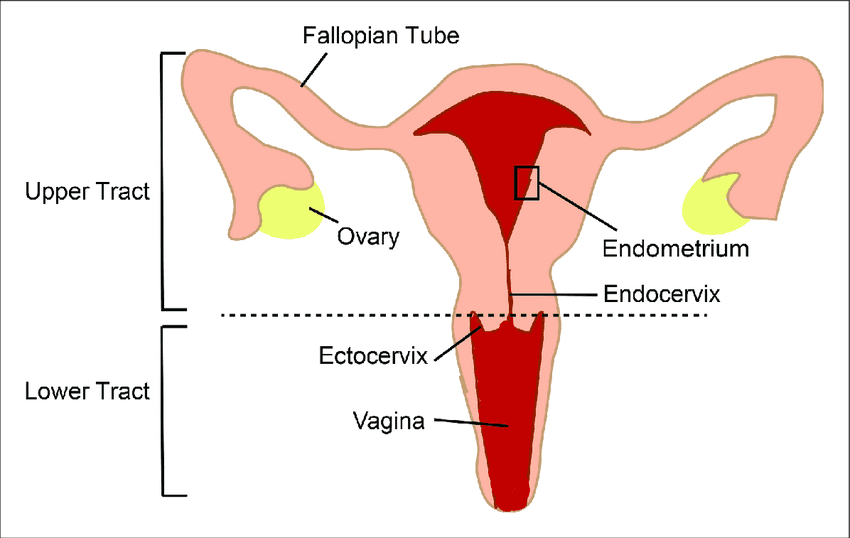
Genital tracts
Embryology

Genital tracts

The internal and external genitalia of both sexes are genetically ‘programmed’ to differentiate passively down a ‘default’ female pathway unless actively switched down a male pathway by the genetic information carried by the testis-determining gene (SRY). Until the sixth week of gestation, the genitalia of both sexes share identical embryonic precursors. Differentiation of

12 min read

Embryology

Genetic basis of genitourinary malformations

A working knowledge of the embryology of the genitourinary tract provides the basis for understanding the structural anomalies encountered in paediatric urological practice. Although this section will concentrate predominantly on the clinical aspects of embryology of the genitourinary tract it will also touch on some of the relevant basic science and summarise

5 min read

Urinary symptoms?

Weak stream, urgency, up at night? Score it in two minutes.

Seven questions from the International Prostate Symptom Score show whether symptoms are mild, moderate or severe, and when to see a doctor.

Take the symptom score

When to get help

Most urology problems can wait for an appointment. These can’t.

Call 911 or go to an emergency department if you have any of these:

  • You cannot pass urine at allAcute urinary retention: a painful, swollen bladder. It needs a catheter, often within hours.
  • Fever or chills with back or side painA blocked, infected kidney (for example behind a stone) can turn into sepsis quickly.
  • Sudden, severe pain in a testiclePossible testicular torsion. The testicle can often be saved only within about 6 hours.
  • An erection lasting over 4 hoursPriapism. Without treatment it can cause permanent damage.
Call 911

Outside the US, call your local emergency number.

See a doctor within days

  1. 01Blood in your urineEven once, and even without pain. Usually harmless, but it is the most common first sign of bladder and kidney cancer.
  2. 02Burning, frequent or cloudy urineTypical of a urinary tract infection, which usually clears with treatment.
  3. 03A lump or swelling in a testicleMost lumps are benign; testicular cancer is very treatable when found early.

General guidance only. If you are unsure how urgent a symptom is, call your doctor or a nurse advice line.