Skip to content

Urgent urology symptoms What to do

Topic

Female Urology & Urogynecology

20 articles

Study finds that use of yoga app can reduce urinary incontinence

Most recent

Study finds that use of yoga app can reduce urinary incontinence

People with loss of urinary control who used the Yoga of Immortals mobile app—a globally used app that combines specific yogic postures in the Sanatan tradition with breathing exercises, sound therapy and meditation—found significant improvement in the frequency and severity of urine leaks at four weeks of practice, according to a Rutgers study. Urinary incontinence

5 min read
Urinary Incontinence: Types and Treatments
Featured Urology

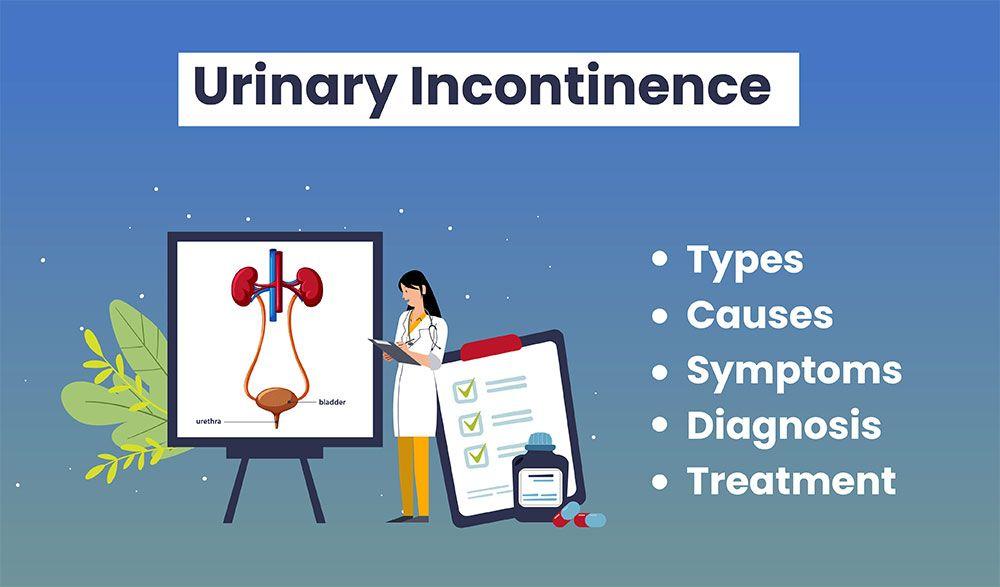
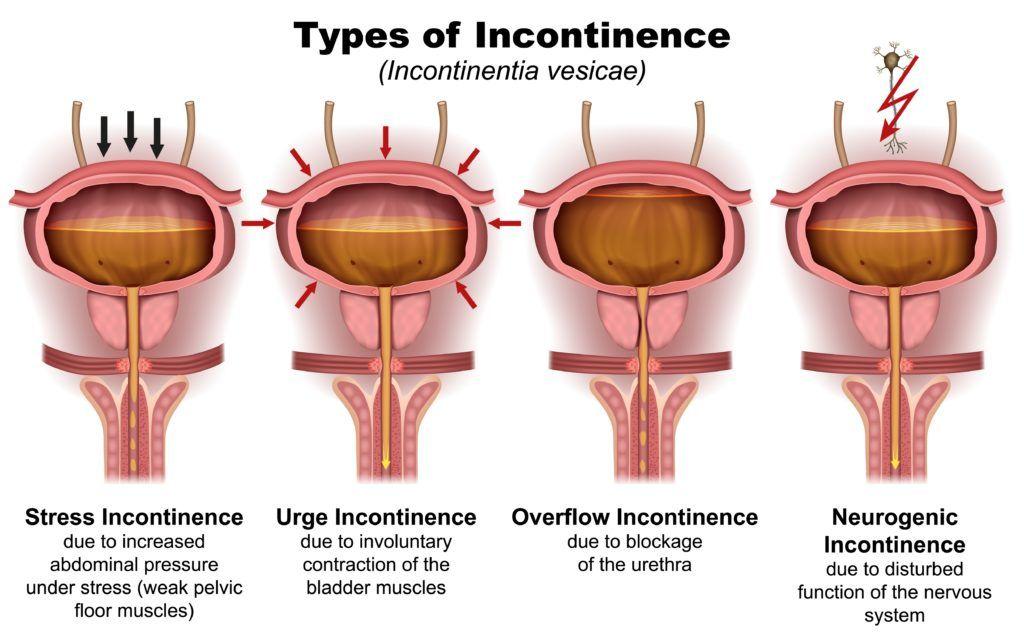
Urinary Incontinence: Types and Treatments

Urinary incontinence (UI), or the unintentional loss of urine, is a problem for more than 13 million Americans—85 percent of them women. Although about half of the elderly have episodes of incontinence, bladder problems are not a natural consequence of aging, and they are not exclusively a problem of the elderly. Incontinence has several causes.

9 min read

Kidney failure impacts survival of sepsis patients
Anatomy of Pelvic Support

Kidney failure impacts survival of sepsis patients

Researchers at Duke Medicine have determined that kidney function plays a critical role in the fate of patients being treated for sepsis, a potentially life-threatening complication of an infection. In a study published May 20, 2015, in the journal Kidney International, Duke researchers and their colleagues identified physiological changes at the molecular level that might

4 min read

Female Urology & Urogynecology

Role of Urodynamic Testing in the Assessment of Female SUI

Although urodynamic testing is frequently performed as part of the evaluation of SUI, the benefits obtained by performing such testing have not been well defined. Advocates of a “minimalist” approach argue that direct observation of stress incontinence on physical examination is sufficient to allow the treating physician to proceed with surgery in the majority of

2 min read

Female Urology & Urogynecology

Urethral Retroresistance Pressure

A new urodynamic measurement system for urethral retroresistance pressure (URP) has been described. URP is defined as the pressure required to achieve and maintain an open urethral sphincter and is measured by occluding the urethral meatus with a cone-tipped plug placed 5 mm in the urethra. Sterile fluid is then infused retrograde at a rate

2 min read

Female Urology & Urogynecology

Urethral pressure profilometry

Historically, the first urodynamic parameter measured to characterize stress incontinence was the resting urethral pressure profile (UPP), which was based on the idea that continence is maintained as long as urethral pressure exceeds intravesical pressure. It was thought that measuring the pressure exerted by the urethra in relation to the intravesical pressure would predict both

9 min read

Female Urology & Urogynecology

Urodynamic Evaluation of Female Stress Urinary Incontinence

Introduction The American Urological Association has published guidelines for the surgical management of female stress urinary incontinence (1). According to these guidelines, the objective demonstration of stress urinary incontinence should be documented prior to initiating surgical therapy. This can be accomplished with physical examination (filling the bladder and observing stress incontinence with cough or Valsalva

8 min read

Female Urology & Urogynecology

Findings in Neurogenic OAB

Patients with neurogenic OAB tend to have severe symptoms that are more difficult to treat pharmacologically. It is not immediately clear that the overactive contractions experienced by patients with neurological conditions are necessarily of greater amplitude or occur earlier during filling, although there is some indirect evidence to support this contention (13). Phasic detrusor contractions

4 min read

Female Urology & Urogynecology

Findings in NonNeurogenic Overactive Bladder

Although no clear criteria exist for differentiating neurogenic from idiopathic DO, it has been suggested that unstable bladder contractions occurring as a result of neurological disease may be more likely to result in urge incontinence (17) and have a greater amplitude. Regardless, perhaps the most common urodynamic pattern seen in patients with idiopathic OAB is

4 min read

Female Urology & Urogynecology

Key Components in Urodynamic Testing of Overactive Bladder

After the decision is made to proceed with urodynamic testing, the next consideration is the type of testing to be conducted. Most current urodynamic machines offer only multiple-channel testing because single-channel testing is prone to considerable artifacts. In general, because it is difficult to predict for the presence of specific voiding dysfunction in women based

3 min read

Female Urology & Urogynecology

Urodynamic Assessment of Overactive Bladder - Neurogenic and Nonneurogenic

Introduction Urodynamic studies (UDS) generate information about bladder function that, currently, no other testing can provide. Though clearly not necessary to evaluate all lower urinary tract symptoms (LUTS), UDS can be useful when confronted with situations in which the normal noninvasive parameters used to assess LUTS, such as questionnaires, flow rates, and postvoid residual testing,

6 min read

Evaluation of Urinary Incontinence

Multichannel Urodynamics

The workup described constitutes the basic office assessment (BOA) of UI; it is generally accepted. However, the role of urodynamics in the evaluation of patients with UI is controversial. This is because the true impact of urodynamics on clinical diagnosis, management plans, and patient’s outcome has not been studied in a well-designed manner. As indicated

6 min read

Urinary symptoms?

Weak stream, urgency, up at night? Score it in two minutes.

Seven questions from the International Prostate Symptom Score show whether symptoms are mild, moderate or severe, and when to see a doctor.

Take the symptom score

When to get help

Most urology problems can wait for an appointment. These can’t.

Call 911 or go to an emergency department if you have any of these:

  • You cannot pass urine at allAcute urinary retention: a painful, swollen bladder. It needs a catheter, often within hours.
  • Fever or chills with back or side painA blocked, infected kidney (for example behind a stone) can turn into sepsis quickly.
  • Sudden, severe pain in a testiclePossible testicular torsion. The testicle can often be saved only within about 6 hours.
  • An erection lasting over 4 hoursPriapism. Without treatment it can cause permanent damage.
Call 911

Outside the US, call your local emergency number.

See a doctor within days

  1. 01Blood in your urineEven once, and even without pain. Usually harmless, but it is the most common first sign of bladder and kidney cancer.
  2. 02Burning, frequent or cloudy urineTypical of a urinary tract infection, which usually clears with treatment.
  3. 03A lump or swelling in a testicleMost lumps are benign; testicular cancer is very treatable when found early.

General guidance only. If you are unsure how urgent a symptom is, call your doctor or a nurse advice line.