Skip to content

Urgent urology symptoms What to do

Topic

Evaluation of Urinary Incontinence

8 articles

New PSA test examines protein structures to detect prostate cancers

Most recent

New PSA test examines protein structures to detect prostate cancers

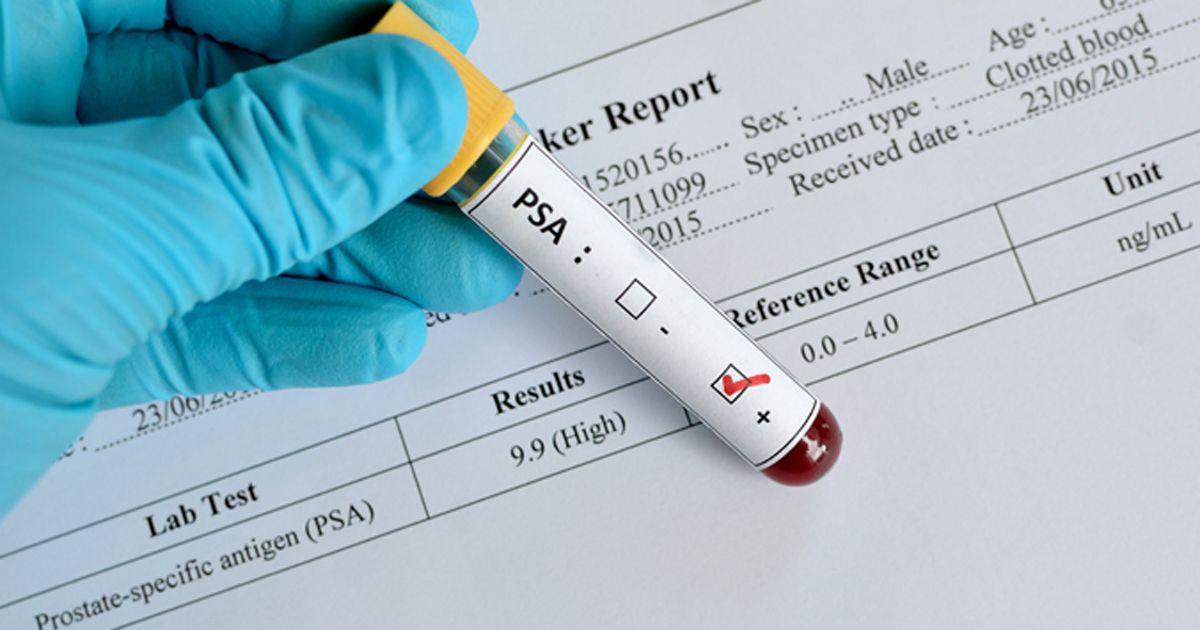
A promising new test is detecting prostate cancer more precisely than current tests, by identifying molecular changes in the prostate specific antigen (PSA) protein, according to Cleveland Clinic research presented today at the American Urological Association annual meeting. The study – part of an ongoing multicenter prospective clinical trial – found that the IsoPSATM test

4 min read

Evaluation of Urinary Incontinence

Multichannel Urodynamics

The workup described constitutes the basic office assessment (BOA) of UI; it is generally accepted. However, the role of urodynamics in the evaluation of patients with UI is controversial. This is because the true impact of urodynamics on clinical diagnosis, management plans, and patient’s outcome has not been studied in a well-designed manner. As indicated

6 min read

Evaluation of Urinary Incontinence

Fluid Intake/Voiding Diary

Patient histories regarding frequency and severity of urinary symptoms are often inaccurate. A more reliable indicator of symptoms is a fluid intake/voiding diary, which should be distributed to patients. They would be instructed to document in it the amount and type of fluid consumed and the volume and time of voiding and leakage and to

5 min read

Evaluation of Urinary Incontinence

Office Evaluation of Urinary Incontinence

Introduction The goals of the basic evaluation are to confirm urinary incontinence (UI) and to identify factors that may be contributing to or resulting from UI. The general evaluation of UI should include a history, fluid intake/voiding diary, physical examination, urinalysis, urine culture, and measurement of postvoid residual urine. For selected patients, a blood test

3 min read

Lower urinary tract
Anatomy of Pelvic Support

Lower urinary tract

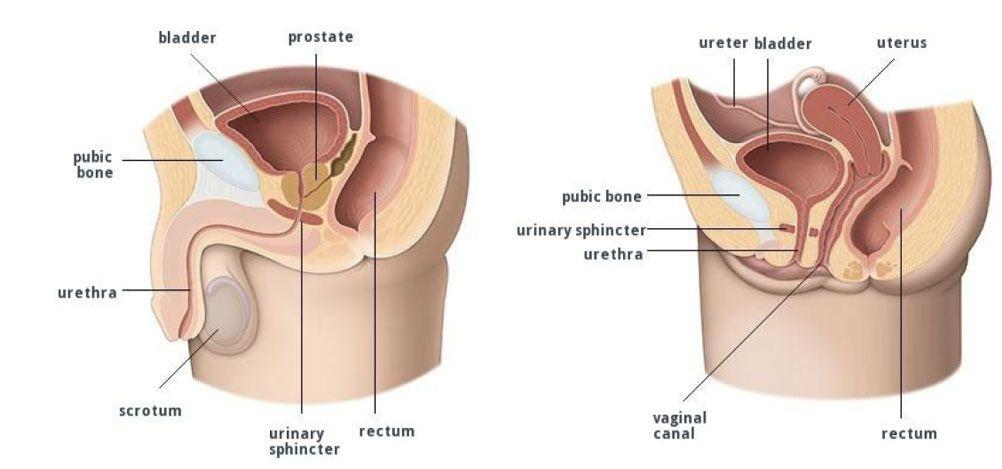
The lower urinary tract originates from the cloaca, the section of primitive hindgut into which the mesonephric ducts and embryonic ureters drain. Between the fourth and sixth weeks of gestation, the cloaca is subdivided by the descent of the urorectal septum towards the perineum and by lateral ingrowth of the folds of Rathke. The effect

3 min read

Upper urinary tract
Urinary Tract Stones

Upper urinary tract

In the cervical portions of the paired blocks of intermediate mesoderm the primitive precursor of the kidney, the pronephros, first appears in the fourth week of gestation. This structure rapidly regresses in the human embryo. The midzone mesonephros, however, continues to differentiate, giving rise to tubular structures which, although ultimately destined to contribute to the

7 min read

Embryology

Genetic basis of genitourinary malformations

A working knowledge of the embryology of the genitourinary tract provides the basis for understanding the structural anomalies encountered in paediatric urological practice. Although this section will concentrate predominantly on the clinical aspects of embryology of the genitourinary tract it will also touch on some of the relevant basic science and summarise

5 min read

Urinary symptoms?

Weak stream, urgency, up at night? Score it in two minutes.

Seven questions from the International Prostate Symptom Score show whether symptoms are mild, moderate or severe, and when to see a doctor.

Take the symptom score

When to get help

Most urology problems can wait for an appointment. These can’t.

Call 911 or go to an emergency department if you have any of these:

  • You cannot pass urine at allAcute urinary retention: a painful, swollen bladder. It needs a catheter, often within hours.
  • Fever or chills with back or side painA blocked, infected kidney (for example behind a stone) can turn into sepsis quickly.
  • Sudden, severe pain in a testiclePossible testicular torsion. The testicle can often be saved only within about 6 hours.
  • An erection lasting over 4 hoursPriapism. Without treatment it can cause permanent damage.
Call 911

Outside the US, call your local emergency number.

See a doctor within days

  1. 01Blood in your urineEven once, and even without pain. Usually harmless, but it is the most common first sign of bladder and kidney cancer.
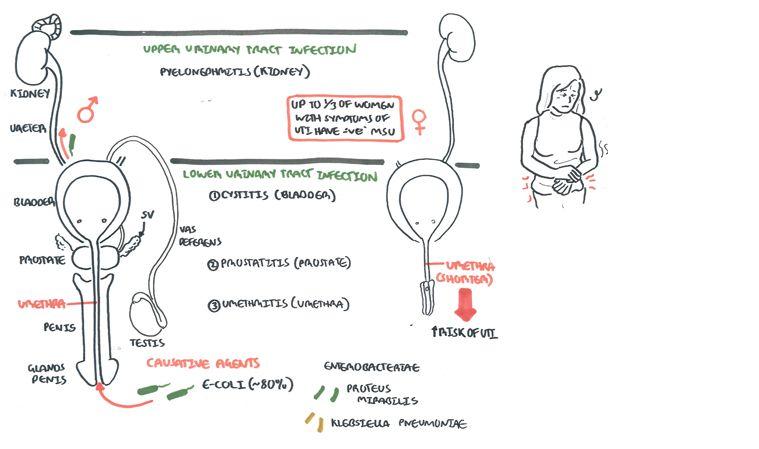
  2. 02Burning, frequent or cloudy urineTypical of a urinary tract infection, which usually clears with treatment.
  3. 03A lump or swelling in a testicleMost lumps are benign; testicular cancer is very treatable when found early.

General guidance only. If you are unsure how urgent a symptom is, call your doctor or a nurse advice line.