Skip to content

Urgent urology symptoms What to do

Topic

Female Urology

2 articles

Study finds that use of yoga app can reduce urinary incontinence

Most recent

Study finds that use of yoga app can reduce urinary incontinence

People with loss of urinary control who used the Yoga of Immortals mobile app—a globally used app that combines specific yogic postures in the Sanatan tradition with breathing exercises, sound therapy and meditation—found significant improvement in the frequency and severity of urine leaks at four weeks of practice, according to a Rutgers study. Urinary incontinence

5 min read
Urinary Incontinence: Types and Treatments
Featured Urology

Urinary Incontinence: Types and Treatments

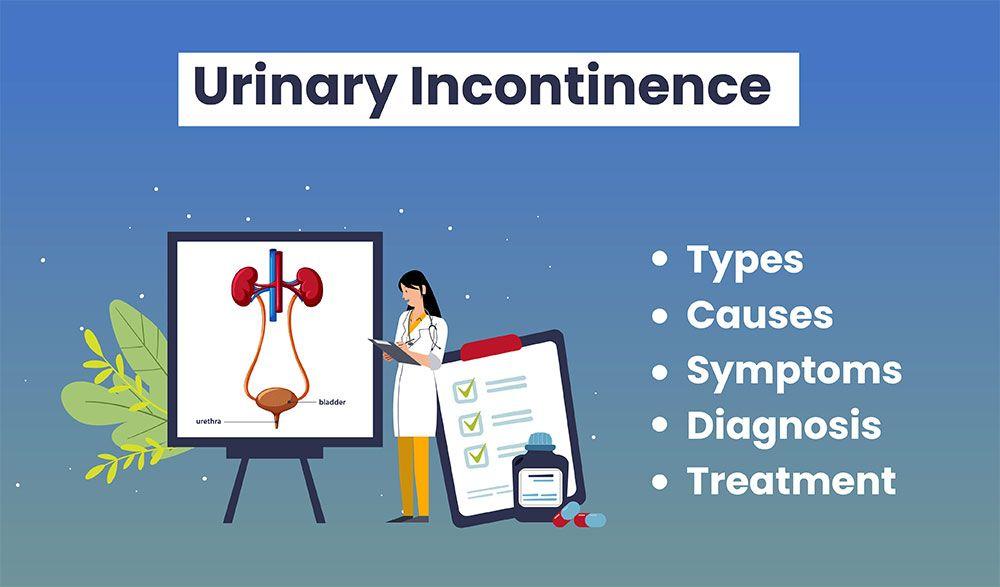
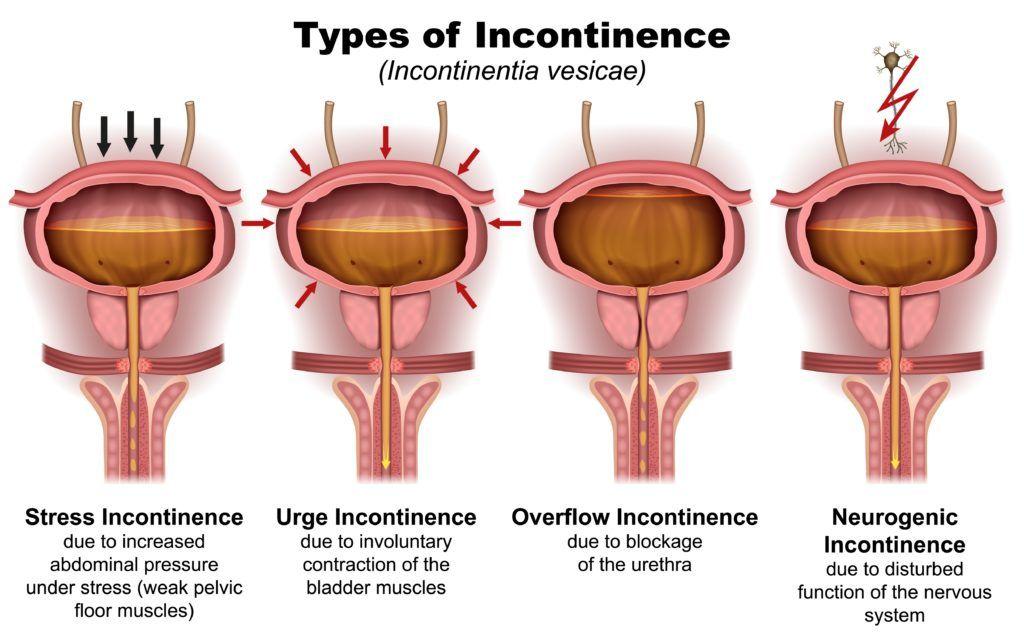
Urinary incontinence (UI), or the unintentional loss of urine, is a problem for more than 13 million Americans—85 percent of them women. Although about half of the elderly have episodes of incontinence, bladder problems are not a natural consequence of aging, and they are not exclusively a problem of the elderly. Incontinence has several causes.

9 min read

Urinary symptoms?

Weak stream, urgency, up at night? Score it in two minutes.

Seven questions from the International Prostate Symptom Score show whether symptoms are mild, moderate or severe, and when to see a doctor.

Take the symptom score

When to get help

Most urology problems can wait for an appointment. These can’t.

Call 911 or go to an emergency department if you have any of these:

  • You cannot pass urine at allAcute urinary retention: a painful, swollen bladder. It needs a catheter, often within hours.
  • Fever or chills with back or side painA blocked, infected kidney (for example behind a stone) can turn into sepsis quickly.
  • Sudden, severe pain in a testiclePossible testicular torsion. The testicle can often be saved only within about 6 hours.
  • An erection lasting over 4 hoursPriapism. Without treatment it can cause permanent damage.
Call 911

Outside the US, call your local emergency number.

See a doctor within days

  1. 01Blood in your urineEven once, and even without pain. Usually harmless, but it is the most common first sign of bladder and kidney cancer.
  2. 02Burning, frequent or cloudy urineTypical of a urinary tract infection, which usually clears with treatment.
  3. 03A lump or swelling in a testicleMost lumps are benign; testicular cancer is very treatable when found early.

General guidance only. If you are unsure how urgent a symptom is, call your doctor or a nurse advice line.