Skip to content

Urgent urology symptoms What to do

Yoga for Prostate Cancer: Best Yoga exercises to combat prostate growth in men

Urology TodayPublished November 14, 20224 min read
Yoga for Prostate Cancer: Best Yoga exercises to combat prostate growth in men

Key points

  • Fitness experts insist that Yoga helps combat prostate growth by strengthening the muscles of the pelvic floor for better bladder control and lessens the severity of benign prostatic hyperplasia symptoms in men.
  • The male urinary system as well as reproductive health depends on the prostate’s health where the disorder known as BPH or benign prostatic hyperplasia, is characterised by an abnormal growth of the prostate gland.
  • In an interview with HT Lifestyle, Himalayan Siddhaa Akshar, Founder of Akshar Yoga Institutions , Himalaya Yoga Ashram and World Yoga Organisation, revealed, “The natural ageing process is thought to be the cause of prostate enlargement.
  • Method: Knees should be bent, and your toes should point backward as you sit between your feet.

Fitness experts insist that Yoga helps combat prostate growth by strengthening the muscles of the pelvic floor for better bladder control and lessens the severity of benign prostatic hyperplasia symptoms in men. Try these Yoga asanas with their steps inside

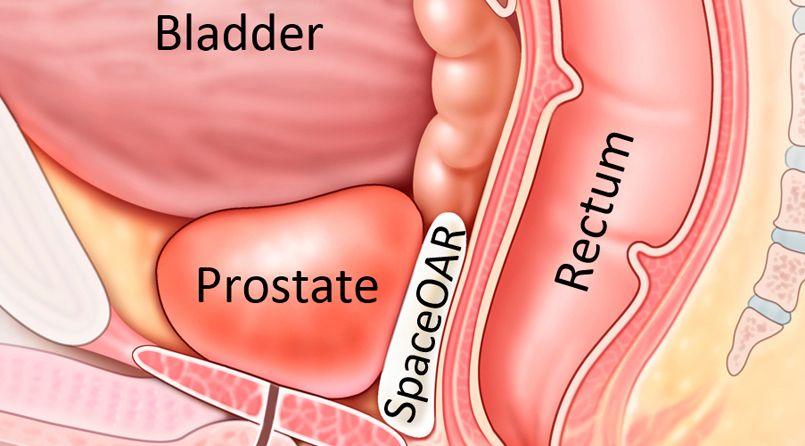
Only in the male reproductive system is the prostate gland, a little endocrine gland that is situated between the penis and the bladder, close to the urethra. This muscle gland aids in semen production and its distinctive muscle make-up enables it to stimulate semen movement during ejaculation.

The male urinary system as well as reproductive health depends on the prostate’s health where the disorder known as BPH or benign prostatic hyperplasia, is characterised by an abnormal growth of the prostate gland. Along with prostate cancer, it is cited as the most prevalent prostate issue among men where symptoms of BPH typically appear after the age of 40.

According to statistics, up to 85% of men over 85 deal with an enlarged prostate and there are 14 million men who suffer from benign prostatic hyperplasia in the US alone. The number of cases approaches 30 million on a global scale.

In an interview with HT Lifestyle, Himalayan Siddhaa Akshar, Founder of Akshar Yoga Institutions , Himalaya Yoga Ashram and World Yoga Organisation, revealed, “The natural ageing process is thought to be the cause of prostate enlargement. This would explain the large number of instances reported globally, particularly in men over 80. BPH’s precise cause is still a mystery but according to studies, it arises as a result of both the ageing process and the hormonal changes that occur during this stage of life.”

Talking about Yoga might be useful, he said, “There is no refuting the results of the many scientific studies on Yoga’s advantages. This age-old technique concentrates on enhancing our health while enhancing all facets of our lives. Regular Yoga practise may and will be good for your physical and mental wellbeing. Yoga’s ability to help people combat prostate growth is therefore not surprising (BPH). Yoga will firstly assist in strengthening the muscles of the pelvic floor. This may help the symptoms get much better. You can anticipate better bladder control, which will lessen the severity of your BPH symptoms.”

He suggested the following Yoga Therapy:

1. Virasana (Hero Pose)

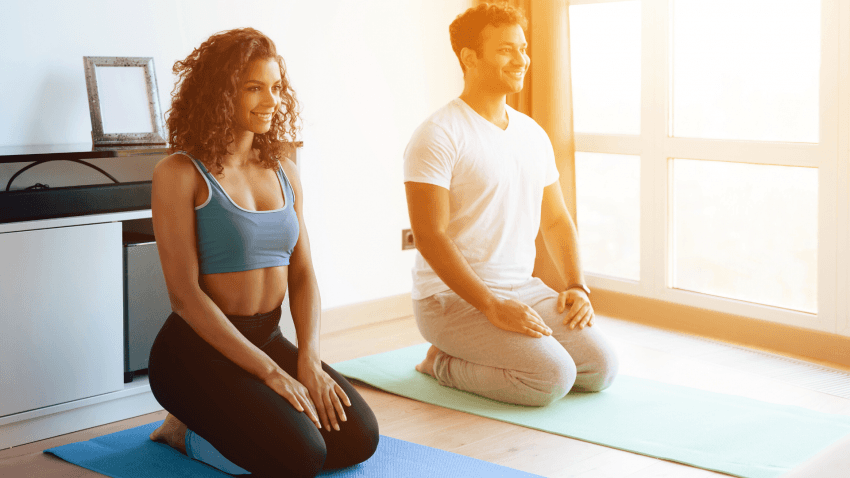
Method: Knees should be bent, and your toes should point backward as you sit between your feet. For additional support, you might sit atop a pillow. Keep your spine long and place your hands, palms down, on your thighs. Don’t let your knees bear the weight; keep it in your hips. As you hold the stance, you can perform your Kegel exercises. Roll to one side and relax your legs to exit the pose.

2. Baddha Konasana (Cobbler’s Pose)
Method: Your legs should be out in front of you as you sit down. For more hip support, you can sit on the edge of a cushion. Put the soles of your feet together while bending your knees to the side. To deepen the stretch, pull your heels into your body; to minimise the stretch, move them farther away. You can entwine your fingers and tuck them under the sides of your foot at the pinky toe. After some time, drop your chin to form a forward fold, walk your hands forward, and circle your spine. Focus on relaxing and letting go of tension while taking deep breaths. Walk your hands back up and extend your legs out in front of you to release the stance.

Himalayan Siddhaa Akshar concluded, “Stress reduction is a key component of Yoga for prostate hypertrophy. Few people are aware that stress poses a significant risk for BPH. The symptoms of urine incontinence can only get worse if you are constantly worried. In men with prostate cancer, yoga has also been demonstrated to reduce symptoms brought on by the treatment. Yoga is a simple and effective approach to feel healthier and more relaxed by lowering your stress levels.”

The content on this site is for information only and is not a substitute for professional medical advice, diagnosis or treatment. If you cannot pass urine, have a fever with back or side pain, or sudden severe pain in the testicle, call 911 or go to an emergency department.

prostate cancer
Featured Urology

Recurrence of prostate cancer detected earlier with innovative PSMA-ligand PET/CT

A recent study reported in The Journal of Nuclear Medicine compared use of the novel Ga-68-PSMA-ligand PET/CT with other imaging methods and found that it had substantially higher detection rates of prostate-specific membrane antigen (PSMA) in patients with biochemical recurrence after radical prostatectomy. Discovering a recurrence early can strongly influence further clinical management, so it

4 min read

Two major studies strengthen case for prostate cancer drug before chemotherapy
Featured Urology

Two major studies strengthen case for prostate cancer drug before chemotherapy

Pioneering prostate cancer drug abiraterone significantly extends the lives of men with advanced prostate cancer if given before chemotherapy, the results of a major phase III clinical trial have shown. The results, published in Lancet Oncology, showed that men with advanced, aggressive prostate cancer lived more than four months longer on average if they received

6 min read

New test predicts individual’s risk of second kidney stone
Urinary Tract Stones

New test predicts individual’s risk of second kidney stone

A new tool that takes multiple factors into account can accurately predict how likely a patient who experienced a painful kidney stone will develop another one in the future. The tool, which is described in an upcoming issue of the Journal of the American Society of Nephrology (JASN), could help patients and their doctors determine

3 min read

Urinary symptoms?

Weak stream, urgency, up at night? Score it in two minutes.

Seven questions from the International Prostate Symptom Score show whether symptoms are mild, moderate or severe, and when to see a doctor.

Take the symptom score

When to get help

Most urology problems can wait for an appointment. These can’t.

Call 911 or go to an emergency department if you have any of these:

  • You cannot pass urine at allAcute urinary retention: a painful, swollen bladder. It needs a catheter, often within hours.
  • Fever or chills with back or side painA blocked, infected kidney (for example behind a stone) can turn into sepsis quickly.
  • Sudden, severe pain in a testiclePossible testicular torsion. The testicle can often be saved only within about 6 hours.
  • An erection lasting over 4 hoursPriapism. Without treatment it can cause permanent damage.
Call 911

Outside the US, call your local emergency number.

See a doctor within days

  1. 01Blood in your urineEven once, and even without pain. Usually harmless, but it is the most common first sign of bladder and kidney cancer.
  2. 02Burning, frequent or cloudy urineTypical of a urinary tract infection, which usually clears with treatment.
  3. 03A lump or swelling in a testicleMost lumps are benign; testicular cancer is very treatable when found early.

General guidance only. If you are unsure how urgent a symptom is, call your doctor or a nurse advice line.