Skip to content

Urgent urology symptoms What to do

New treatment for polycystic kidney disease

Urology TodayPublished June 3, 20153 min read
New treatment for polycystic kidney disease

Key points

  • Published in the Journal of the American Society of Nephrology, the treatment, which involves targeting tiny blood and lymphatic vessels inside the kidneys, is shown to improve renal function and slow progression of disease in mice.
  • Treatment for the condition has traditionally targeted proteins which are thought to play a role in causing the condition and are located in hair-like structures and tissue that line the inside of cysts.
  • By looking at mouse models of both the common and rarer form of the disease, the team noticed that tiny blood vessels surrounding the cysts were altered very early in cyst development.
  • Adrian Woolf, Professor of Paediatric Science at the University of Manchester and co-author of the study added: “If we could target these blood vessels early in the development of the condition it could potentially lead to much better outcomes for patients.”

Published in the Journal of the American Society of Nephrology, the treatment, which involves targeting tiny blood and lymphatic vessels inside the kidneys, is shown to improve renal function and slow progression of disease in mice.

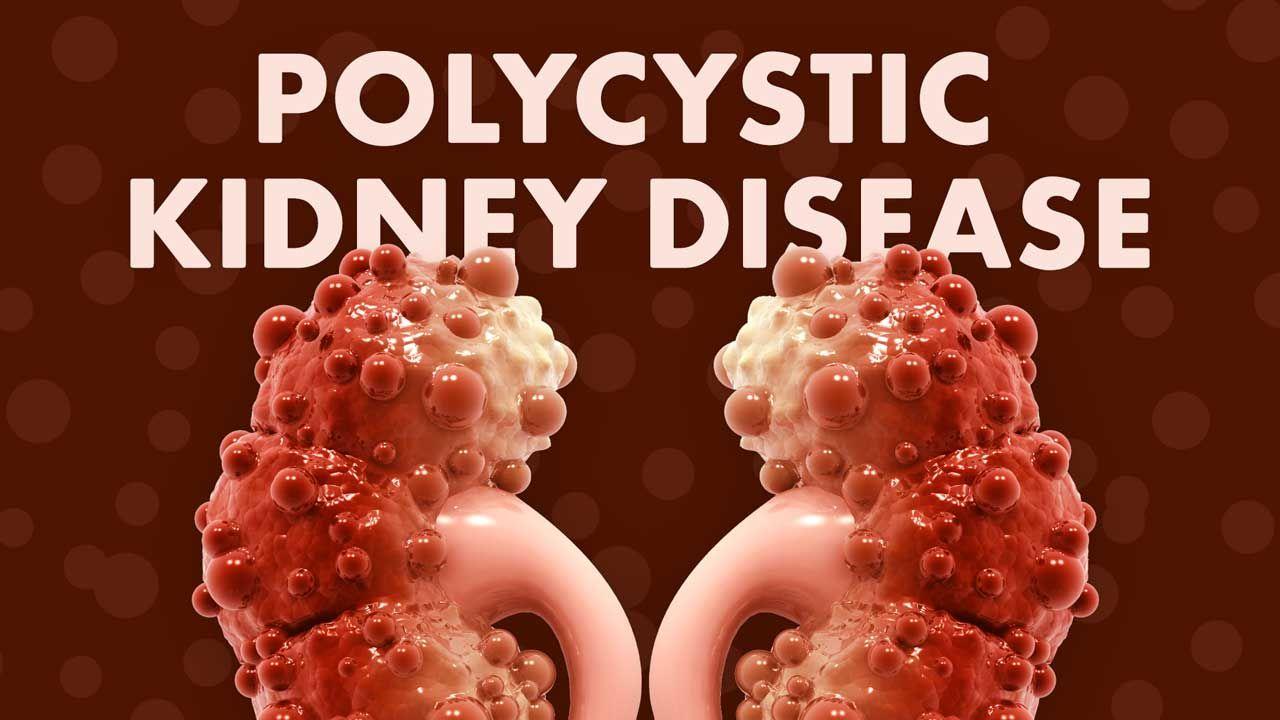
Polycystic kidney disease (PKD) is a genetic disorder where fluid filled cysts grow in kidneys and destroy normal renal tissue. It is the world’s most common inherited kidney disease, affecting between 1 in 400 and 1 in 1000 people worldwide – around 12.5 million individuals. A rarer form of the disease, which occurs in about one in every 20,000 live births in the UK, leads to a third of these babies dying before or just after birth.

Treatment for the condition has traditionally targeted proteins which are thought to play a role in causing the condition and are located in hair-like structures and tissue that line the inside of cysts. These treatments can help alleviate some of the symptoms of PKD but they can’t currently cure the condition.

Researchers have now discovered that the blood and lymphatic system surrounding cysts may also be important in the development of the condition and could be a new target for treating the disease.

By looking at mouse models of both the common and rarer form of the disease, the team noticed that tiny blood vessels surrounding the cysts were altered very early in cyst development. They therefore treated the mice with a potent ‘growth factor’ protein called VEGFC, and found that patterns of blood vessels normalised and the function of the kidneys improved. In the mice with the rare form of the condition, it also led to a modest but significant increase in lifespan.

David Long, lead researcher and Principal Research Associate at the ICH, explains: “With further testing, treatments that target blood vessels surrounding the kidney cysts, perhaps in combination with currently used drugs, may prove to be beneficial for patients with polycystic kidney disease.”

Adrian Woolf, Professor of Paediatric Science at the University of Manchester and co-author of the study added: “If we could target these blood vessels early in the development of the condition it could potentially lead to much better outcomes for patients.”

Elaine Davies, Research Director at Kidney Research UK confirmed that: “This is an exciting piece of work we are extremely proud to be supporting.”

Dr Richard Trompeter, Chairman of Kids Kidney Research, said: “By identifying a treatment plan that can prevent further deterioration of kidney function in patients with this particular disease, our researchers have given fresh hope to thousands of people in the UK with this kidney condition. However, research like this can only continue with the support of the public.”

###

Jamie Brown
jamie.brown@manchester.ac.uk
44-016-127-58383

University of Manchester

The content on this site is for information only and is not a substitute for professional medical advice, diagnosis or treatment. If you cannot pass urine, have a fever with back or side pain, or sudden severe pain in the testicle, call 911 or go to an emergency department.

Urinary symptoms?

Weak stream, urgency, up at night? Score it in two minutes.

Seven questions from the International Prostate Symptom Score show whether symptoms are mild, moderate or severe, and when to see a doctor.

Take the symptom score

When to get help

Most urology problems can wait for an appointment. These can’t.

Call 911 or go to an emergency department if you have any of these:

  • You cannot pass urine at allAcute urinary retention: a painful, swollen bladder. It needs a catheter, often within hours.
  • Fever or chills with back or side painA blocked, infected kidney (for example behind a stone) can turn into sepsis quickly.
  • Sudden, severe pain in a testiclePossible testicular torsion. The testicle can often be saved only within about 6 hours.
  • An erection lasting over 4 hoursPriapism. Without treatment it can cause permanent damage.
Call 911

Outside the US, call your local emergency number.

See a doctor within days

  1. 01Blood in your urineEven once, and even without pain. Usually harmless, but it is the most common first sign of bladder and kidney cancer.
  2. 02Burning, frequent or cloudy urineTypical of a urinary tract infection, which usually clears with treatment.
  3. 03A lump or swelling in a testicleMost lumps are benign; testicular cancer is very treatable when found early.

General guidance only. If you are unsure how urgent a symptom is, call your doctor or a nurse advice line.

