

Common Urological Problems
Can you take GLP-1 if you have prostate cancer?
GLP-1 helps regulate blood sugar by increasing insulin release, reducing glucagon secretion, and slowing gastric emptying. Learn more at Urology Today.
8 min read
Can’t pass urine, fever with back pain, or sudden testicle pain? These need urgent care today.Urgent urology symptoms What to do
Topic
390 articlesPage 3 of 33
GLP-1 helps regulate blood sugar by increasing insulin release, reducing glucagon secretion, and slowing gastric emptying. Learn more at Urology Today.
8 min read
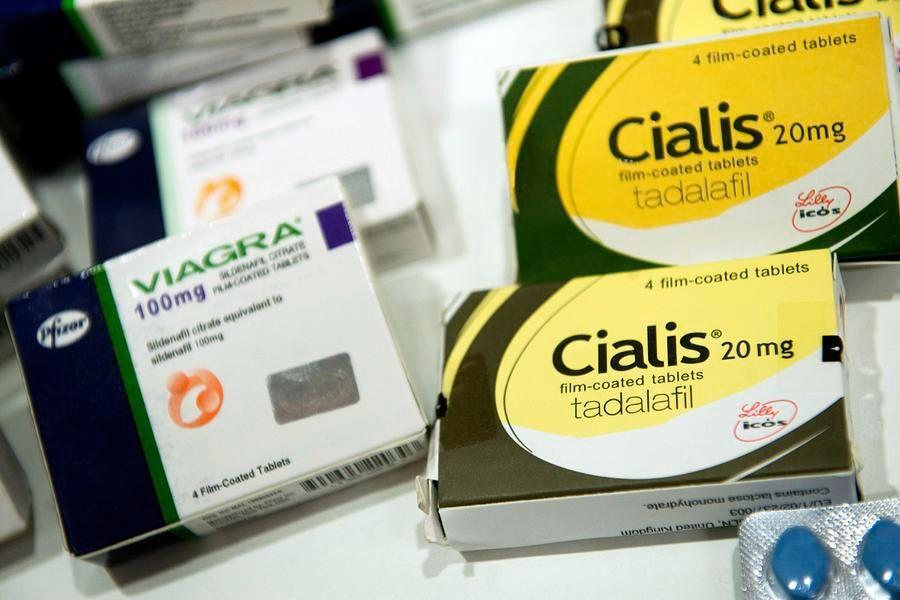
New research failed to support the hypothesis that phosphodiesterase-5 (PDE5) inhibitors like sildenafil (Viagra) and tadalafil (Cialis) are promising drug repurposing candidates for Alzheimer’s disease and dementia. Using four analytic approaches designed to address potential biases, PDE5 inhibitors did not reduce the risk of Alzheimer’s and related dementia compared with other drugs used for pulmonary
5 min read
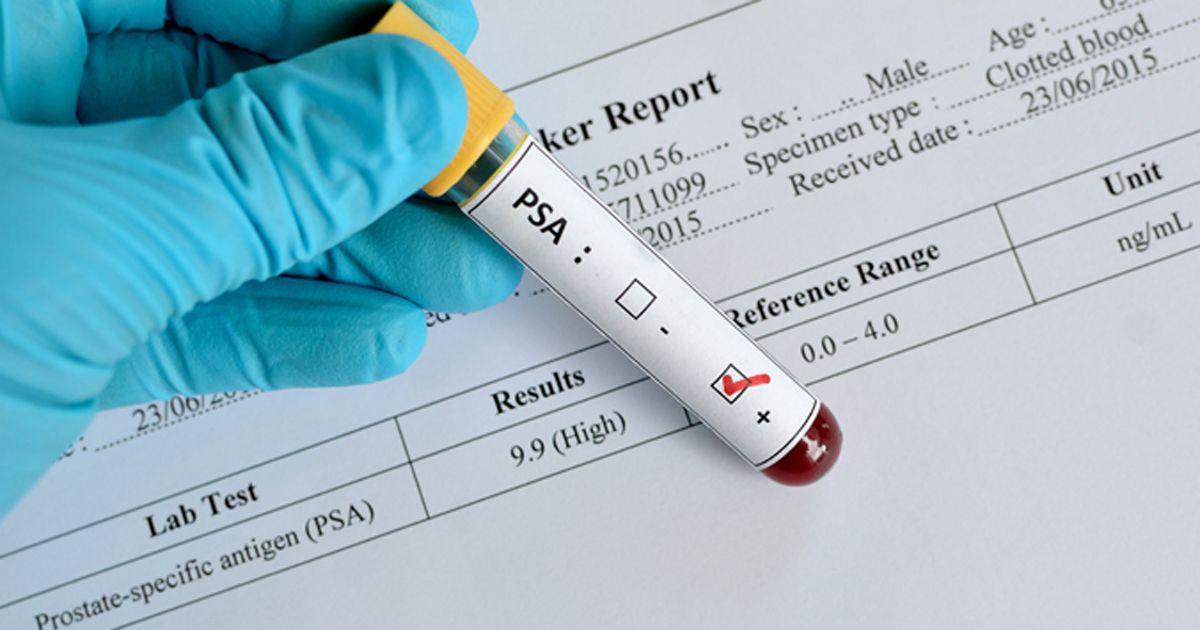
A promising new test is detecting prostate cancer more precisely than current tests, by identifying molecular changes in the prostate specific antigen (PSA) protein, according to Cleveland Clinic research presented today at the American Urological Association annual meeting. The study – part of an ongoing multicenter prospective clinical trial – found that the IsoPSATM test
4 min read
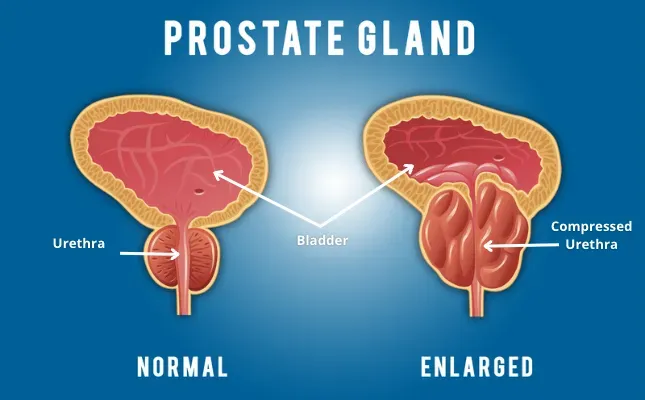
Conventional imaging methods have limited sensitivity for detecting metastatic prostate cancer. With appropriate, timely treatment vital to survival and quality of life, better imaging has been an ongoing goal. A recent study, reported in the January issue of The Journal of Nuclear Medicine, has now shown in a prospective, systematic manner that a PET/CT scan,
4 min read
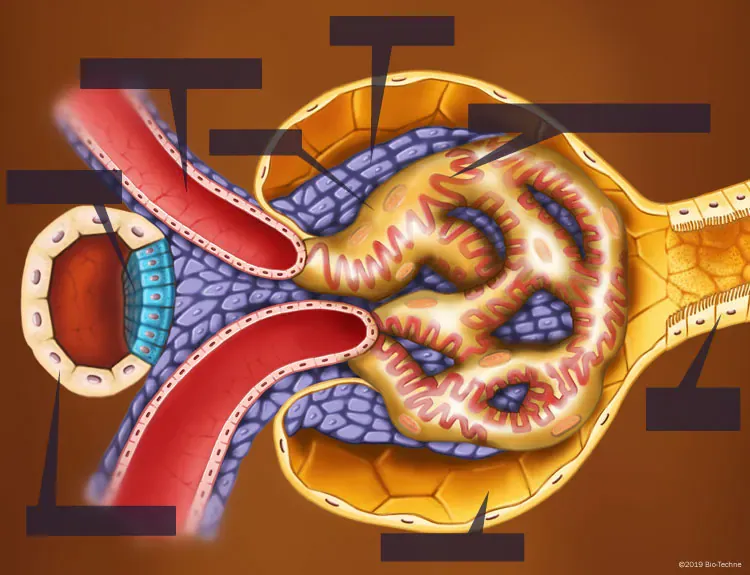
A new discovery by Boston University School of Medicine (BUSM) researchers may change how kidney disease is treated in the future. The previously unknown protein transmembrane and immunoglobulin containing 1 (TMIGD1) involved in protecting kidney epithelial cells (cells critical to normal kidney function) from injury, could be a novel target for restoring kidney function from
3 min read
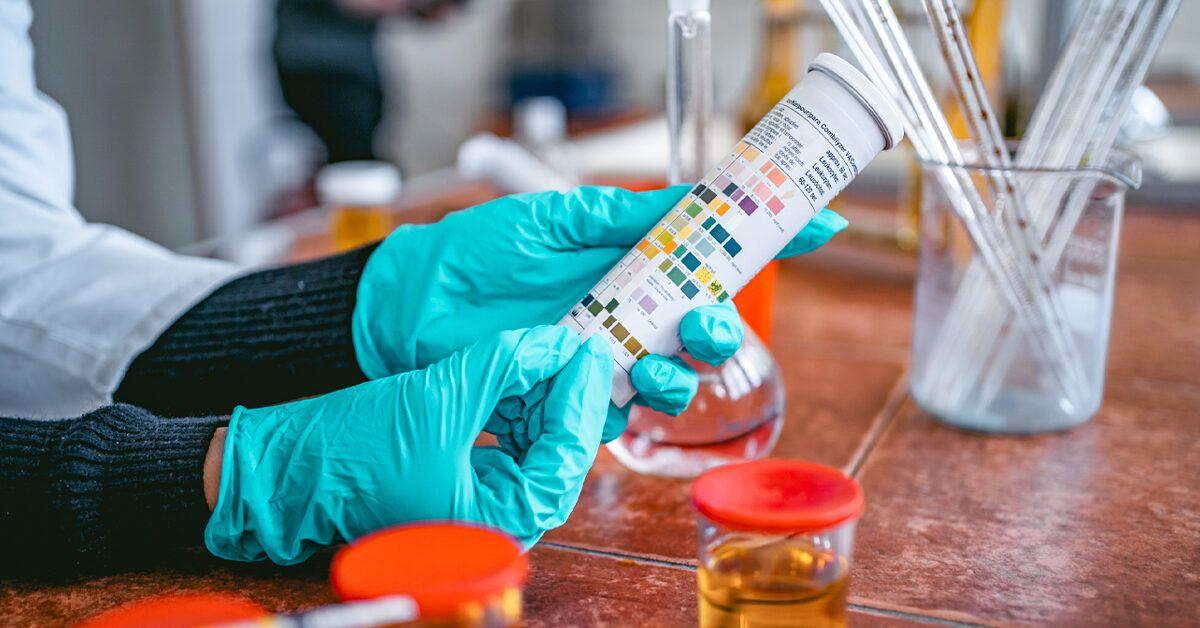
The acidity of urine – as well as the presence of small molecules related to diet – may influence how well bacteria can grow in the urinary tract, a new study shows. The research, at Washington University School of Medicine in St. Louis, may have implications for treating urinary tract infections, which are among the
6 min read

Prostate-specific membrane antigen (PSMA) is a surface protein that is normally present on healthy prostate cells, but is found at much higher levels on prostate cancer cells. It is barely found in the rest of the body. “Therefore, PSMA is an ideal target for diagnostic purposes as well as targeted therapies against prostate cancer,” says
5 min read
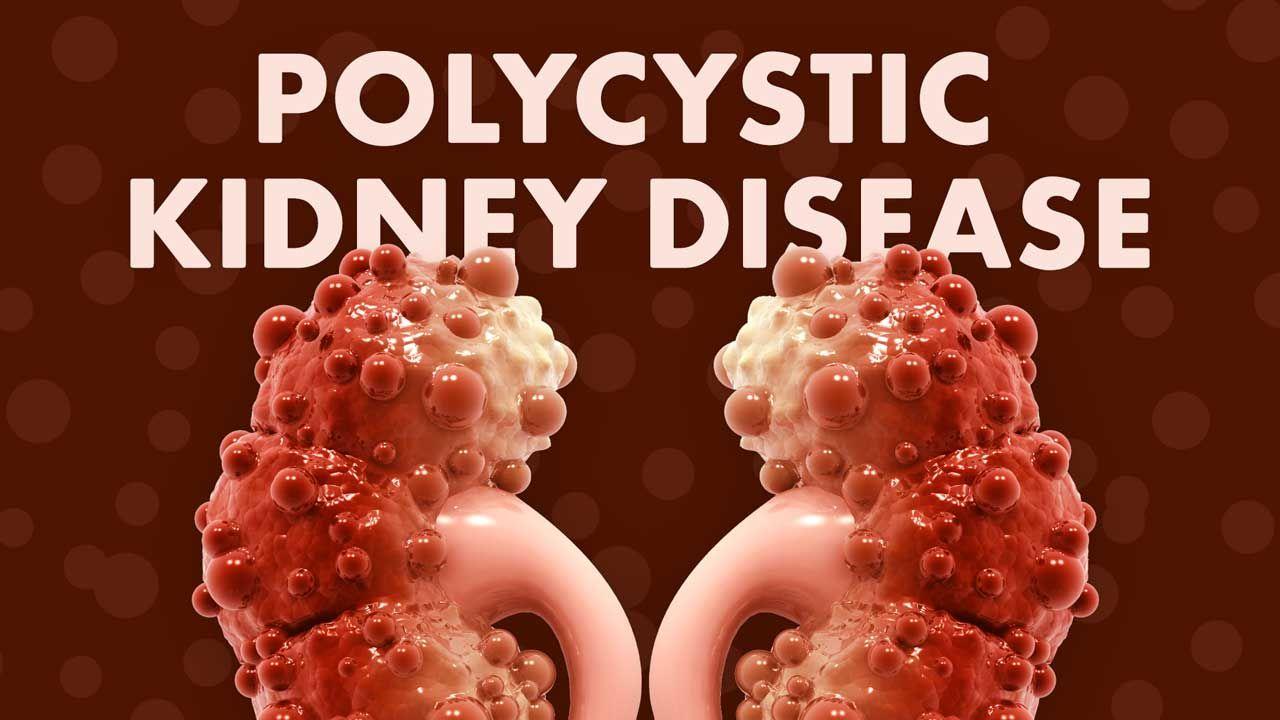
Published in the Journal of the American Society of Nephrology, the treatment, which involves targeting tiny blood and lymphatic vessels inside the kidneys, is shown to improve renal function and slow progression of disease in mice. Polycystic kidney disease (PKD) is a genetic disorder where fluid filled cysts grow in kidneys and destroy normal renal
3 min read
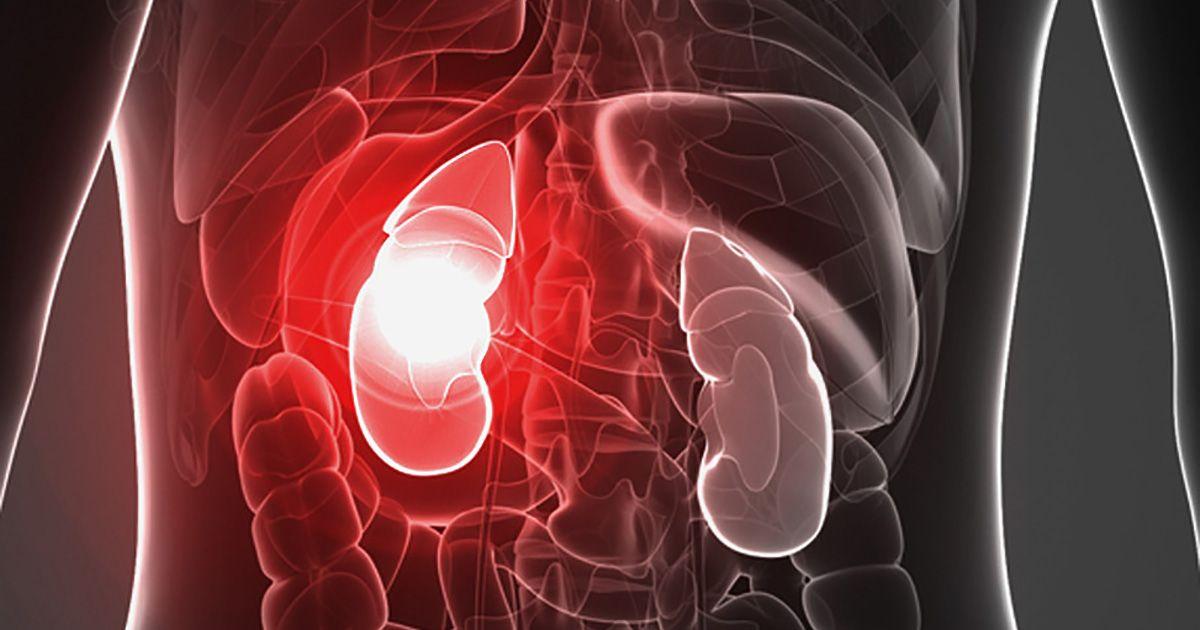
Researchers at Duke Medicine have determined that kidney function plays a critical role in the fate of patients being treated for sepsis, a potentially life-threatening complication of an infection. In a study published May 20, 2015, in the journal Kidney International, Duke researchers and their colleagues identified physiological changes at the molecular level that might
4 min read

A new urine-based test improved prostate cancer detection – including detecting more aggressive forms of prostate cancer – compared to traditional models based on prostate serum antigen, or PSA, levels, a new study finds. The test, developed at the University of Michigan Comprehensive Cancer Center, is called Mi-Prostate Score, or MiPS. It combines PSA with
4 min read
The knock-on effects of the economic downturn have been explored in economy and psychology. Now researchers are examining the effects of unemployment on an even darker subject – cancer mortality. One would think that dealing with unemployment was challenge enough. But according to the latest research published in ecancermedicalscience, rises in unemployment are associated with
2 min read
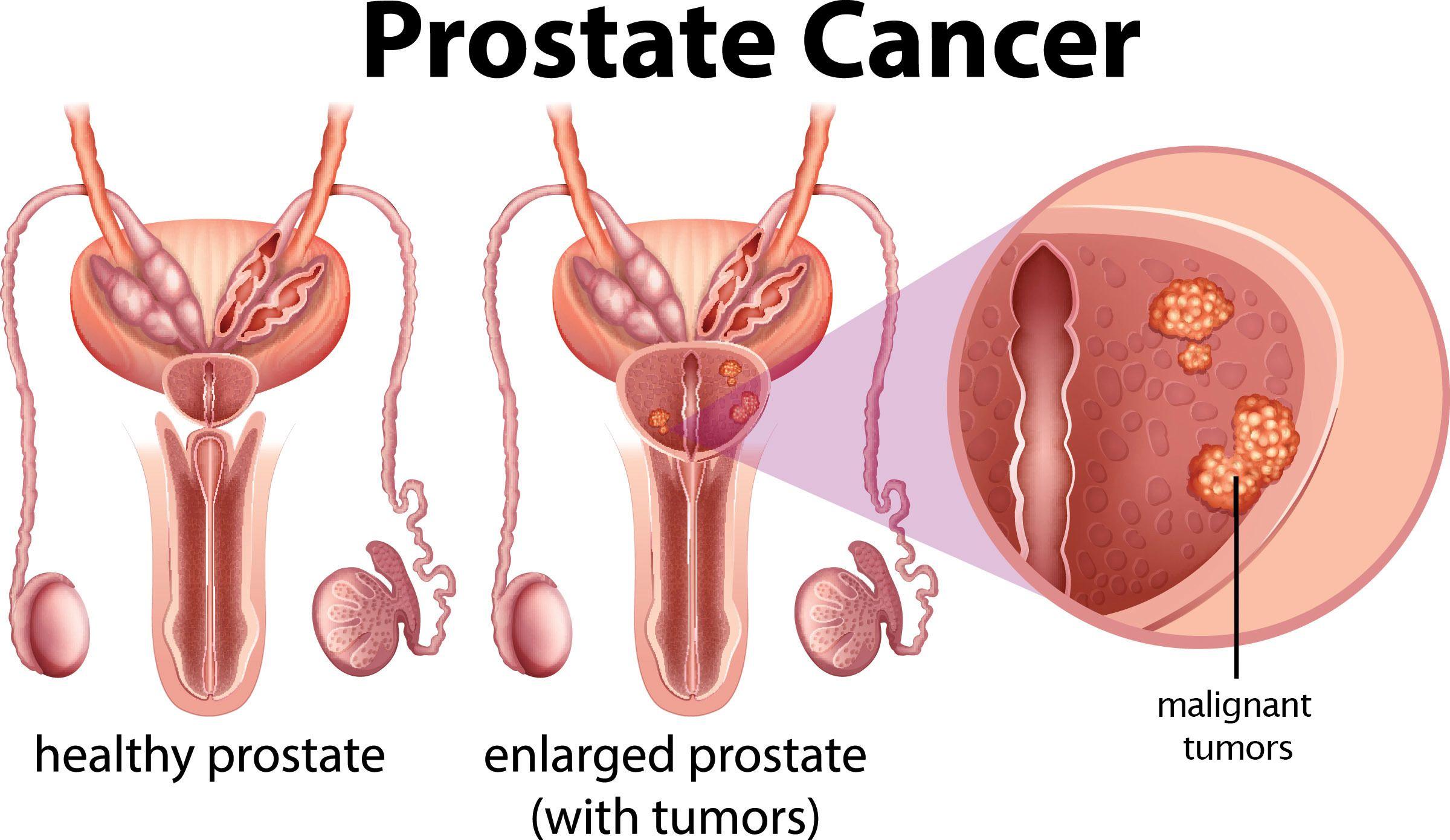
Even with the best available treatments, the median survival of patients with metastatic, hormone-refractory prostate cancer is only two to three years. Driven by the need for more effective therapies for these patients, researchers at VCU Massey Cancer Center and the VCU Institute of Molecular Medicine (VIMM) have developed a unique approach that uses microscopic
6 min read
Urinary symptoms?
Weak stream, urgency, up at night? Score it in two minutes.
Seven questions from the International Prostate Symptom Score show whether symptoms are mild, moderate or severe, and when to see a doctor.
When to get help
Call 911 or go to an emergency department if you have any of these:
Outside the US, call your local emergency number.
See a doctor within days
General guidance only. If you are unsure how urgent a symptom is, call your doctor or a nurse advice line.