Skip to content

Urgent urology symptoms What to do

Topic

Urology & Nephrology News

390 articlesPage 4 of 33

prostate cancer
Featured Urology

Recurrence of prostate cancer detected earlier with innovative PSMA-ligand PET/CT

A recent study reported in The Journal of Nuclear Medicine compared use of the novel Ga-68-PSMA-ligand PET/CT with other imaging methods and found that it had substantially higher detection rates of prostate-specific membrane antigen (PSMA) in patients with biochemical recurrence after radical prostatectomy. Discovering a recurrence early can strongly influence further clinical management, so it

4 min read
Urology & Nephrology News

Treating gum disease reduces prostate symptoms, CWRU researchers find

Treating gum disease reduced symptoms of prostate inflammation, called prostatitis, report researchers from Case Western Reserve University School of Dental Medicine and the Departments of Urology and Pathology at University Hospitals Case Medical Center. Previous studies have found a link between gum disease and prostatitis, a disease that inflames the gland that produces semen. Inflammation

3 min read

Urology & Nephrology News

New test predicts sudden cardiac death in hemodialysis patients

A new test has been developed to predict sudden cardiac death in hemodialysis patients in whom such forecasts were previously impossible. The novel method was presented at ICNC 12 by Dr Akiyoshi Hashimoto, a cardiologist at Sapporo Medical University in Japan. The test uses a combination of nuclear medicine, C-reactive protein and electrocardiogram (ECG). ICNC

6 min read

Urology & Nephrology News

‘Pay-for-performance’ may lead to higher risk for robotic prostate surgery patients

A “perverse disincentive” for hospitals that have invested in expensive technology for robotic surgery may be jeopardizing prostate cancer patients who seek out the procedure, concluded a new study led by Henry Ford Hospital researchers. The study, which compared complication rates in hospitals with low volumes of robot-assisted radical prostatectomies (RARPs) to institutions with high

4 min read

Urology & Nephrology News

WSU researchers show how fatty acids can fight prostate cancer

Washington State University researchers have found a mechanism by which omega-3 fatty acids inhibit the growth and spread of prostate cancer cells. The findings, which are at odds with a 2013 study asserting that omega-3s increase the risk of prostate cancer, point the way to more effective anti-cancer drugs. Scientists have long known that omega

2 min read

Urology & Nephrology News

New target for prostate cancer treatment discovered by Keck Medicine of USC researchers

Keck Medicine of the University of Southern California (USC) scientists have found a promising new therapeutic target for prostate cancer. The findings offer evidence that a newly discovered member of a family of cell surface proteins called G-protein coupled receptors (GPCRs) promotes prostate cancer cell growth. The protein, GPR158, was found while the researchers were

3 min read

Urology & Nephrology News

Patients with detectable PSA post-prostatectomy should receive more aggressive radiation therapy

Prostate cancer patients with detectable prostate specific antigen (PSA) following radical prostatectomy should receive earlier, more aggressive radiation therapy treatment, according to a study published in the February 1, 2015 issue of the International Journal of Radiation Oncology * Biology * Physics (Red Journal), the official scientific journal of the American Society for Radiation Oncology

5 min read

Two major studies strengthen case for prostate cancer drug before chemotherapy
Featured Urology

Two major studies strengthen case for prostate cancer drug before chemotherapy

Pioneering prostate cancer drug abiraterone significantly extends the lives of men with advanced prostate cancer if given before chemotherapy, the results of a major phase III clinical trial have shown. The results, published in Lancet Oncology, showed that men with advanced, aggressive prostate cancer lived more than four months longer on average if they received

6 min read

New test predicts individual’s risk of second kidney stone
Urinary Tract Stones

New test predicts individual’s risk of second kidney stone

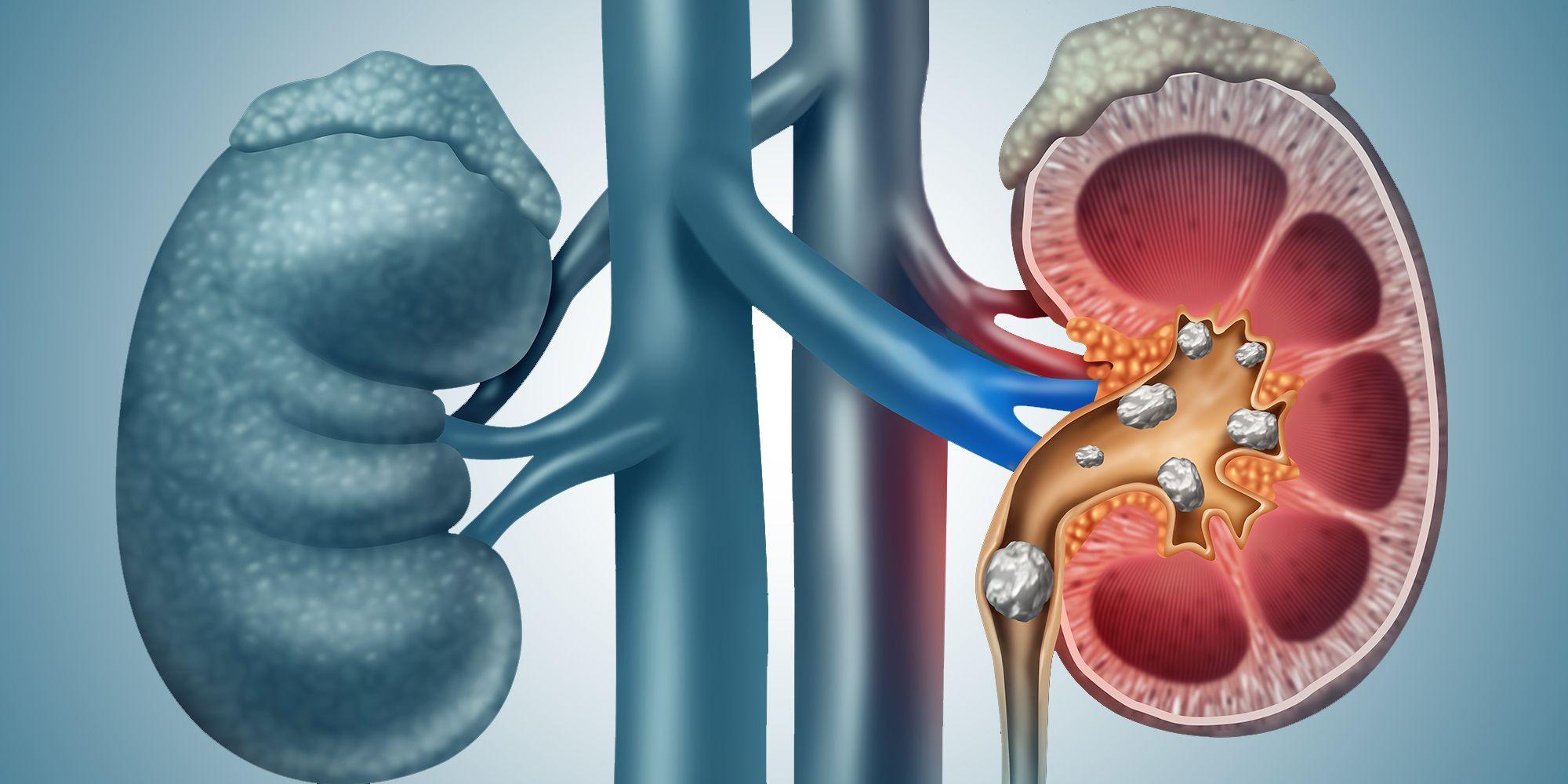
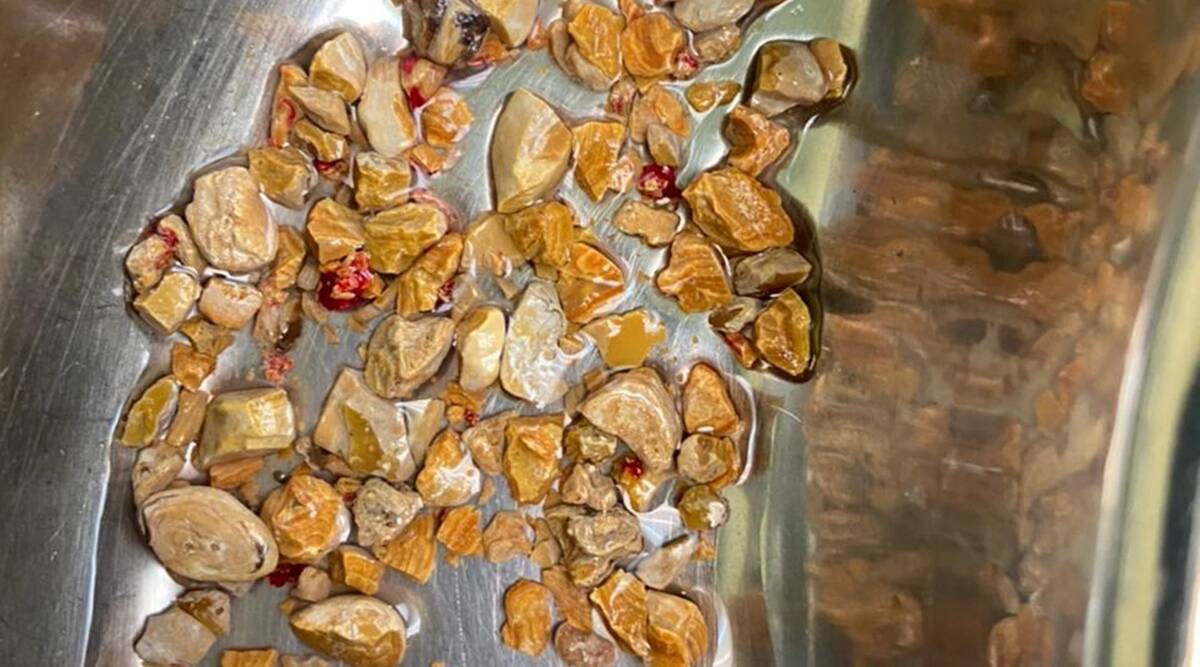
A new tool that takes multiple factors into account can accurately predict how likely a patient who experienced a painful kidney stone will develop another one in the future. The tool, which is described in an upcoming issue of the Journal of the American Society of Nephrology (JASN), could help patients and their doctors determine

3 min read

New test predicts individual’s risk of second kidney stone
Urinary Tract Stones

New recommendations to prevent recurrent kidney stones

In a new evidence-based clinical practice guideline published today in Annals of Internal Medicine, the American College of Physicians (ACP) recommends that people who have had a kidney stone increase their fluid intake to achieve at least two liters of urine per day to prevent another kidney stone from forming. If increased fluid intake fails

2 min read

Injecting Sperm into Egg Doesn’t Guarantee Pregnancy
The Urinary Tract System

Injecting Sperm into Egg Doesn’t Guarantee Pregnancy

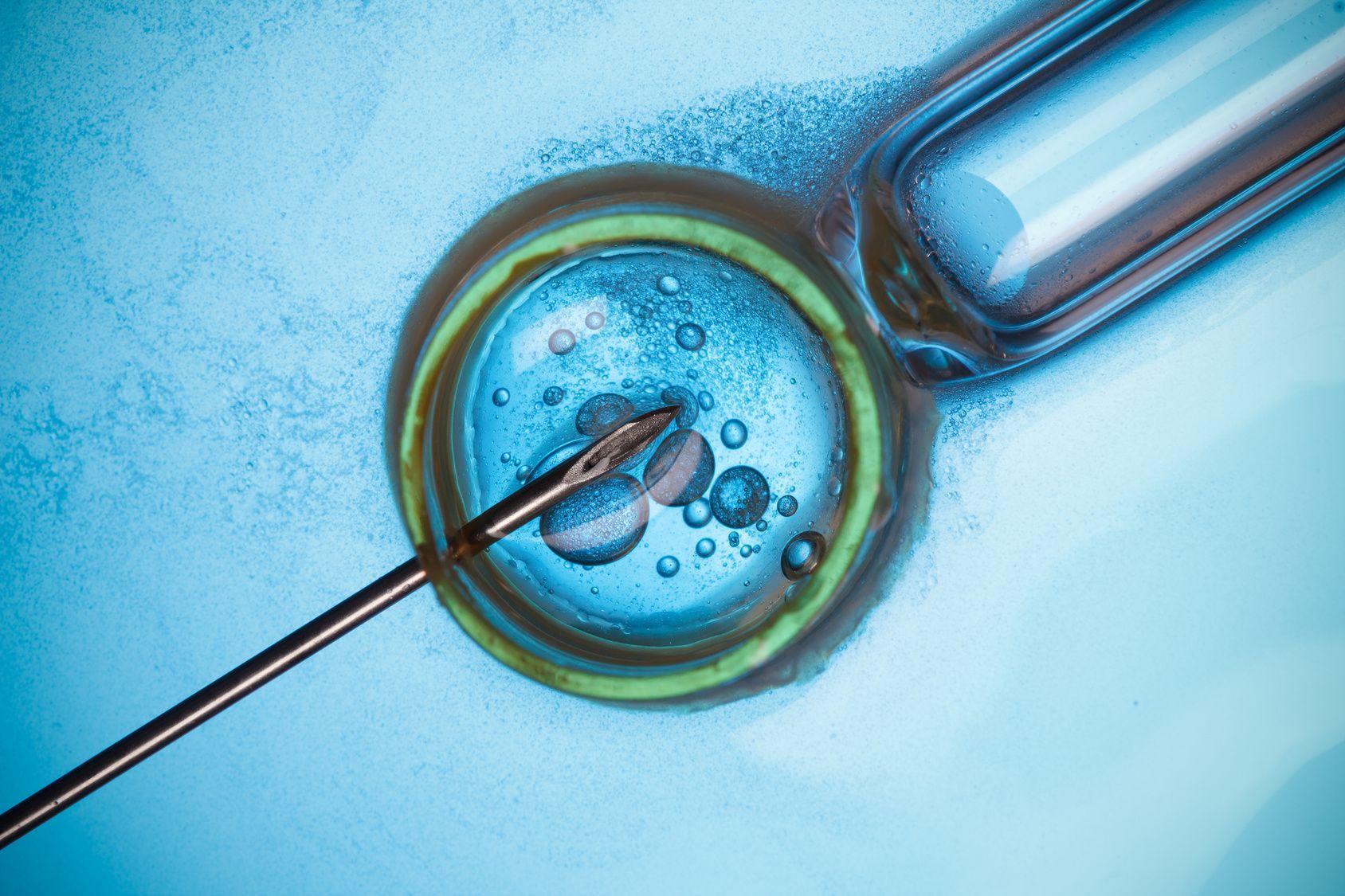
The use of the new IVF procedure has doubled in prevalence over the past decade without evidence of reproductive outcome The use of intracytoplasmic sperm injection (ICSI) was not associated with improved reproductive outcome compared to conventional in vitro fertilization (IVF), researchers reported. A retrospective analysis looked at the data on fresh IVF and ICSI

6 min read

Urology & Nephrology News

Unlocking the kidney riddle in newborns

Researchers are closer to understanding why babies born with smaller kidneys have a high risk of developing cardiovascular disease. The findings, published in the journal, Circulation, could have important implications for affected children, who are more likely to develop chronic kidney disease and high blood pressure as adults. Currently, renal disorders at birth affect about

3 min read

Urinary symptoms?

Weak stream, urgency, up at night? Score it in two minutes.

Seven questions from the International Prostate Symptom Score show whether symptoms are mild, moderate or severe, and when to see a doctor.

Take the symptom score

When to get help

Most urology problems can wait for an appointment. These can’t.

Call 911 or go to an emergency department if you have any of these:

  • You cannot pass urine at allAcute urinary retention: a painful, swollen bladder. It needs a catheter, often within hours.
  • Fever or chills with back or side painA blocked, infected kidney (for example behind a stone) can turn into sepsis quickly.
  • Sudden, severe pain in a testiclePossible testicular torsion. The testicle can often be saved only within about 6 hours.
  • An erection lasting over 4 hoursPriapism. Without treatment it can cause permanent damage.
Call 911

Outside the US, call your local emergency number.

See a doctor within days

  1. 01Blood in your urineEven once, and even without pain. Usually harmless, but it is the most common first sign of bladder and kidney cancer.
  2. 02Burning, frequent or cloudy urineTypical of a urinary tract infection, which usually clears with treatment.
  3. 03A lump or swelling in a testicleMost lumps are benign; testicular cancer is very treatable when found early.

General guidance only. If you are unsure how urgent a symptom is, call your doctor or a nurse advice line.