Skip to content

Urgent urology symptoms What to do

Topic

Urinary Stone Disease

17 articlesPage 2 of 2

Common Urological Problems

NonCalcium Calculi -Stone Varieties

1. Struvite -Struvite stones are composed of magnesium, ammonium, and phosphate (MAP). They are found most commonly in women and may recur rapidly. They frequently present as renal staghorn calculi and rarely present as ureteral stones except after surgical intervention (Figure 16–5). Struvite stones are infection stones associated with urea-splitting organisms, including Proteus, Pseudomonas, Providencia,

11 min read
Common Urological Problems

Stone Varieties

A. CALCIUM CALCULI Calcifications can occur and accumulate in the collecting system, resulting in nephrolithiasis. Eighty to eighty-five percent of all urinary stones are calcareous. Calcium nephrolithiasis is most commonly due to elevated urinary calcium, elevated urinary uric acid, elevated urinary oxalate, or a decreased level of urinary citrate. Hypercalciuria is found as a solitary

14 min read

Common Urological Problems

Urinary Ions

A. CALCIUM Calcium is a major ion present in urinary crystals. Only 50% of plasma calcium is ionized and available for filtration at the glomerulus. Well over 95% of the calcium filtered at the glomerulus is reabsorbed at both the proximal and distal tubules and limited amounts in the collecting tube. Less than 2% is

7 min read

Common Urological Problems

Renal & Ureteral stones Etiology

Mineralization in all biologic systems has a common theme in that the crystals and matrix are intertwined. Urinary stones are no exception; they are polycrystalline aggregates composed of varying amounts of crystalloid and organic matrix. Theories to explain urinary stone disease are incomplete. Stone formation requires supersaturated urine. Supersaturation depends on urinary pH, ionic strength,

7 min read

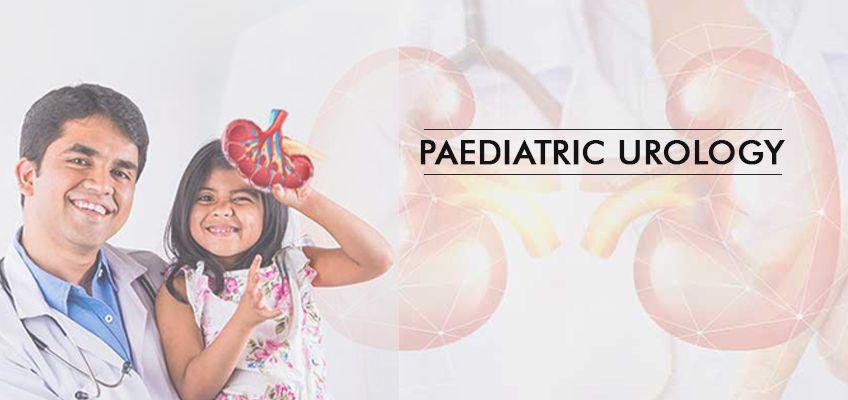
Embryogenesis -Paediatric Urology
Embryology

Embryogenesis -Paediatric Urology

Human gestation spans a period of 38 weeks, from fertilisation to birth. Conventionally, pregnancy is divided into three trimesters, each of 3 months’ duration. The formation of organs and systems (embryogenesis) takes place principally between the third and 10th weeks of gestation. Throughout the remainder, the fetal organs undergo differentiation, branching, maturation and growth. In

4 min read

Urinary symptoms?

Weak stream, urgency, up at night? Score it in two minutes.

Seven questions from the International Prostate Symptom Score show whether symptoms are mild, moderate or severe, and when to see a doctor.

Take the symptom score

When to get help

Most urology problems can wait for an appointment. These can’t.

Call 911 or go to an emergency department if you have any of these:

  • You cannot pass urine at allAcute urinary retention: a painful, swollen bladder. It needs a catheter, often within hours.
  • Fever or chills with back or side painA blocked, infected kidney (for example behind a stone) can turn into sepsis quickly.
  • Sudden, severe pain in a testiclePossible testicular torsion. The testicle can often be saved only within about 6 hours.
  • An erection lasting over 4 hoursPriapism. Without treatment it can cause permanent damage.
Call 911

Outside the US, call your local emergency number.

See a doctor within days

  1. 01Blood in your urineEven once, and even without pain. Usually harmless, but it is the most common first sign of bladder and kidney cancer.
  2. 02Burning, frequent or cloudy urineTypical of a urinary tract infection, which usually clears with treatment.
  3. 03A lump or swelling in a testicleMost lumps are benign; testicular cancer is very treatable when found early.

General guidance only. If you are unsure how urgent a symptom is, call your doctor or a nurse advice line.