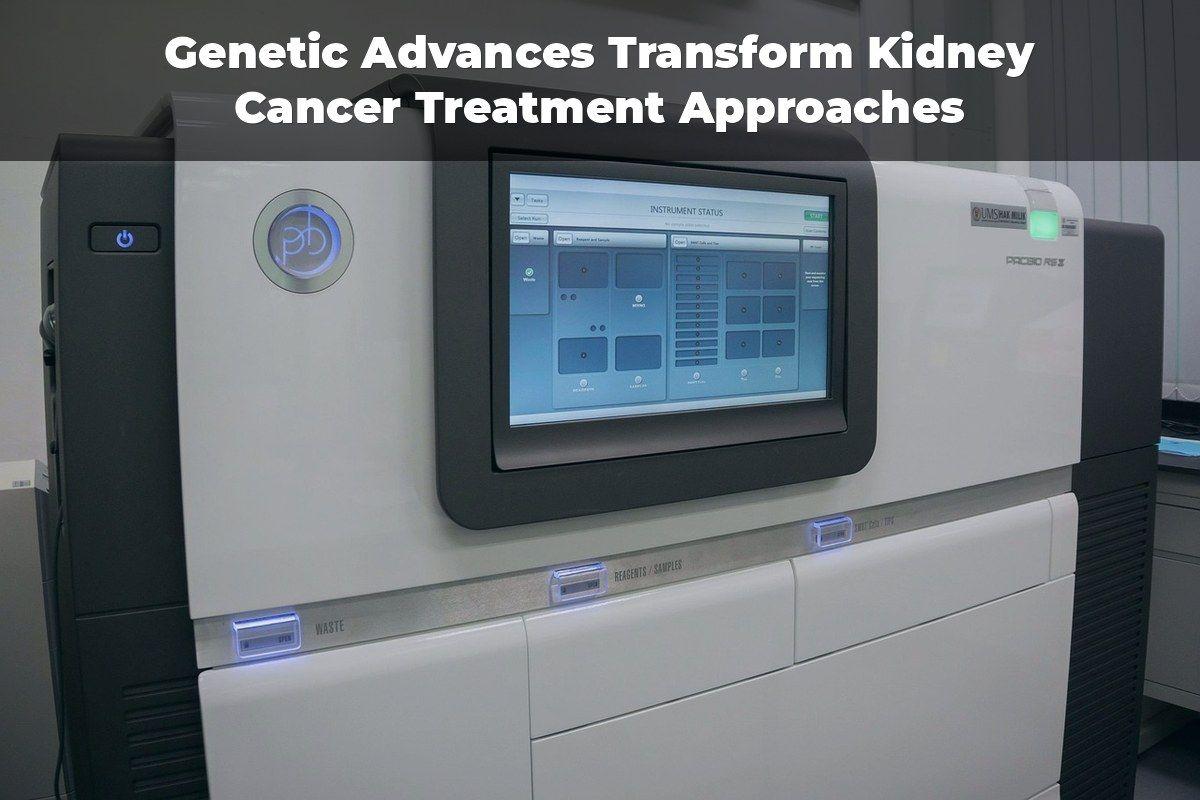
How Are Genetic Advances Transforming Kidney Cancer Treatment?
A recent report from Oncodaily highlights Dr. Abhinav Sidana's insights on how genetics is changing kidney cancer treatment. This news is part of a growing body of research exploring how genetic information can refine treatment strategies for kidney cancer. Early research suggests that understanding the genetic makeup of tumors could lead to more personalized and effective therapies. This approach aims to tailor treatments based on the unique genetic mutations found in each patient's cancer cells, potentially improving outcomes and reducing unnecessary side effects.
Traditionally, treatment options for kidney cancer have included surgery, targeted therapy, immunotherapy, and sometimes chemotherapy. However, these treatments are not always effective for every patient. Genetic advances promise to change this by helping doctors predict which treatments are most likely to work based on a patient's genetic profile. This means that instead of a one-size-fits-all approach, patients could receive treatments that are precisely targeted to their specific cancer type.
For patients, this represents a significant shift in how kidney cancer might be treated in the future. Personalized medicine could lead to earlier interventions and better survival rates, while potentially minimizing the side effects of treatments that may not be effective for their particular cancer. It's an exciting development that underscores the importance of genetic research and its potential to transform cancer care.
What Are the Current Treatments for Kidney Cancer?
Kidney cancer treatment typically starts with the surgical removal of the tumor. If the cancer is confined to the kidney, surgery can often be curative. The most common surgical procedures are partial nephrectomy, where only the tumor is removed, and radical nephrectomy, where the entire kidney is removed. The choice between these depends on the size and location of the tumor, as well as the patient's overall health.
Targeted therapies are another key treatment option. These drugs target specific pathways or proteins necessary for cancer cell growth. Unlike chemotherapy, which can harm both healthy and cancerous cells, targeted therapies are designed to interfere with specific molecules involved in tumor growth and progression. Commonly used targeted drugs for kidney cancer include sunitinib and pazopanib, which can help slow the growth of cancer cells and shrink tumors.
Immunotherapy is also an important part of kidney cancer treatment. This approach uses drugs to help the body's immune system recognize and attack cancer cells. Drugs like nivolumab and pembrolizumab have been approved for use in treating advanced kidney cancer. They work by blocking a protein that prevents the immune system from attacking cancer cells, thereby boosting the body's natural defenses against the tumor.
How Is Genetic Testing Used in Kidney Cancer?
Genetic testing in kidney cancer is used to identify mutations that might influence the course of the disease or the effectiveness of certain treatments. These tests analyze DNA from the tumor to look for changes in genes that are known to drive cancer. Some of these genetic mutations can make cancer more aggressive, while others might provide targets for specific therapies.
For patients, undergoing genetic testing can offer valuable insights into their cancer. It can help predict the aggressiveness of the cancer and guide decisions about treatment options. For instance, if a specific mutation is found that is known to respond well to a particular drug, doctors can tailor the treatment plan accordingly. This can lead to more effective treatment with potentially fewer side effects.
However, it's important for patients to discuss the benefits and limitations of genetic testing with their healthcare provider. Not all genetic mutations have targeted treatments available, and results can sometimes be complex to interpret. A doctor or a genetic counselor can help patients understand the implications of their test results and what they mean for their treatment plan.
Who Is at Risk for Kidney Cancer?
Kidney cancer risk factors include both lifestyle-related and genetic factors. Smoking is a significant risk factor, as it can double the risk of developing kidney cancer. Obesity is another risk factor, likely due to hormonal changes that occur with excess body weight. High blood pressure has also been linked to an increased risk of kidney cancer, though the reasons for this are not fully understood.
Family history and genetics play a crucial role as well. People with a family history of kidney cancer may have an increased risk, especially if multiple family members have been affected. Certain hereditary conditions, such as von Hippel-Lindau disease and hereditary papillary renal cell carcinoma, are known to increase risk. These genetic syndromes often involve mutations that can be identified through genetic testing.
For individuals with these risk factors, regular check-ups and discussions with a healthcare provider are important. Being aware of personal and family medical history can help in assessing risk and deciding on appropriate screening measures. Early detection is key to improving outcomes for kidney cancer.
When Should You See a Doctor About Kidney Cancer Symptoms?
It's crucial to seek medical advice if you notice symptoms that could indicate kidney cancer. One of the most common symptoms is blood in the urine, which might appear pink, red, or cola-colored. While not always due to cancer, it's a symptom that warrants a medical evaluation. Other symptoms can include persistent pain in the side or back below the ribs, unexplained weight loss, fatigue, and intermittent fever.
Some symptoms require immediate medical attention. If you experience severe pain in the side or back, especially if it is accompanied by fever or vomiting, you should see a doctor promptly. Similarly, if you notice a lot of blood or clots in your urine, you should seek urgent care. These could indicate advanced disease or complications that need quick attention.
Regular medical check-ups are important, especially if you have risk factors for kidney cancer. If you're at higher risk, your doctor might recommend more frequent screenings. Early detection can make a significant difference in the effectiveness of treatment, so don't hesitate to reach out to a healthcare provider if you have concerns.
How Can You Reduce Your Risk of Developing Kidney Cancer?
There are several steps you can take to lower your risk of kidney cancer. Quitting smoking is one of the most effective measures, as smoking is a well-known risk factor. If you're struggling to quit, seek support through smoking cessation programs or talk to your doctor about medications that can help.
Maintaining a healthy weight is also important. Obesity increases the risk of kidney cancer, so aim for a balanced diet rich in fruits, vegetables, and whole grains. Regular physical activity can help you maintain a healthy weight and reduce your cancer risk.
Managing blood pressure is another key factor. High blood pressure has been linked to kidney cancer, so it's important to monitor your blood pressure regularly and follow your doctor's advice on how to keep it in check. This may involve lifestyle changes or medications. By taking these steps, you can significantly reduce your risk and protect your kidney health.
Want to learn more? Read our guide to how the urinary system works and our overview of kidney stones.
Source: Abhinav Sidana: How Genetics Changes the Rules of Kidney Cancer Treatment (Oncodaily)
This article is for general information only and is not medical advice. Always talk with your doctor about your symptoms and treatment. If you cannot pass urine, have severe pain with fever, or have sudden testicle pain, call 911 or go to the nearest emergency room.