What Are the Key Biomarkers in Bladder Cancer Management?
A recent report from UroToday highlights the IBCG consensus on clinically actionable biomarkers in bladder cancer management. Biomarkers are biological molecules found in blood, other body fluids, or tissues. They can indicate normal or abnormal processes, or conditions like cancer. In bladder cancer, biomarkers can help diagnose the disease, predict outcomes, and guide treatment. While early research suggests these biomarkers could become crucial in managing bladder cancer, their practical use in clinical settings is still developing.
The established role of biomarkers in cancer management is to tailor treatments to individual patients. For bladder cancer, this personalized approach could mean more effective and less toxic treatments. Researchers are looking into several promising biomarkers that could help determine the aggressiveness of the cancer and predict how it may respond to different treatments. However, it is important to note that these findings are part of ongoing research, and more studies are needed to confirm their effectiveness.
Patients with bladder cancer might benefit from advancements in biomarker research. By providing more precise information about the cancer, biomarkers could help doctors develop better treatment plans. This might lead to improved outcomes and quality of life for patients. However, it is crucial for patients to discuss with their healthcare providers how these developments could apply to their care, as not all biomarkers are currently used in standard practice.
How Is Bladder Cancer Diagnosed?
Bladder cancer diagnosis often begins with a review of symptoms and a physical exam. Common symptoms include blood in the urine, frequent urination, and pain during urination. These symptoms can be caused by other conditions too, so further testing is usually required. The first diagnostic test is often a urine test to check for cancer cells. If tests suggest bladder cancer, doctors may perform a cystoscopy. This procedure uses a special camera to look inside the bladder.
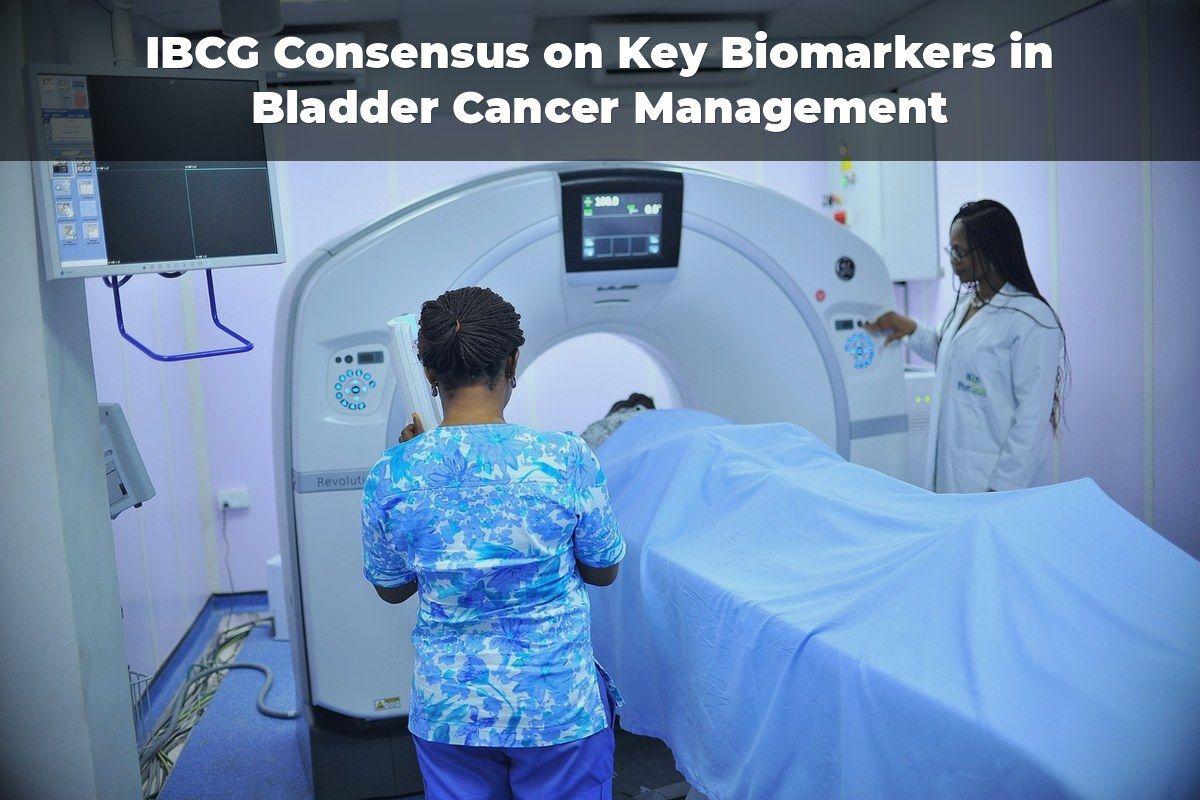
Imaging tests like CT scans or MRIs can provide detailed images of the bladder and surrounding areas. These tests help identify the size and location of tumors and whether the cancer has spread. A biopsy, where a small sample of bladder tissue is removed and examined, is often needed to confirm the diagnosis.
Early diagnosis is crucial in bladder cancer as it improves the chances of successful treatment. Therefore, if you experience symptoms like blood in your urine, it is important to see a doctor promptly. They can determine whether further testing is necessary and discuss the best course of action with you.
What Are the Risk Factors for Bladder Cancer?
Several factors can increase the risk of developing bladder cancer. Smoking is the most significant risk factor, contributing to about half of all cases. Chemicals in tobacco can damage the lining of the bladder, leading to cancer. Occupational exposure to certain chemicals, particularly in industries like dye manufacturing and rubber processing, can also increase risk.
Age is another important risk factor. Most bladder cancer cases occur in people over 55. Men are more likely than women to develop bladder cancer. Chronic bladder irritation and infections, as well as a family history of bladder cancer, can also increase risk. While not all risk factors can be controlled, avoiding smoking and limiting exposure to harmful chemicals can help reduce the risk.
Understanding these risk factors can empower individuals to take preventive measures. For those at higher risk, regular check-ups and discussions with a healthcare provider about bladder cancer screening might be beneficial. This proactive approach can help detect cancer early, when it is most treatable.
What Are the Treatment Options for Bladder Cancer?
Treatment for bladder cancer depends on its stage, grade, and overall health of the patient. For early-stage bladder cancer, transurethral resection is a common procedure. During this surgery, doctors remove tumors from the bladder through the urethra. For more aggressive or recurrent tumors, doctors may suggest intravesical therapy. This involves placing medication directly into the bladder to kill cancer cells and reduce the chance of recurrence.
For invasive bladder cancer, treatments may include partial or complete removal of the bladder, known as cystectomy. In some cases, radiation therapy or chemotherapy may be used before or after surgery to shrink the tumor or kill remaining cancer cells. Immunotherapy, which helps the immune system attack cancer cells, is another option for certain patients.
Each treatment approach has its benefits and risks. It is important for patients to discuss all options with their healthcare team to choose the best plan for their situation. New treatments and clinical trials are continually researched, offering hope for improved outcomes in bladder cancer management.
When Should You See a Doctor?
Prompt medical attention is crucial if you experience symptoms suggestive of bladder cancer. Blood in the urine, especially if it is persistent or accompanied by pain, should never be ignored. Seeing a doctor early can lead to a quicker diagnosis and potentially more effective treatment.
In some cases, bladder cancer can cause symptoms that require urgent care. These include being unable to urinate, severe pain in the side or back with fever or vomiting, and a lot of blood or clots in the urine. If you experience any of these, it is important to seek immediate medical attention.
Regular check-ups are essential, especially for those with risk factors for bladder cancer. Discuss any symptoms or concerns with your doctor, even if they seem minor. Early detection and treatment are key to managing bladder cancer effectively.
How Can Biomarkers Influence Future Bladder Cancer Management?
Biomarkers in bladder cancer management hold the potential to revolutionize how the disease is treated. By identifying specific biological markers, doctors can tailor treatments more precisely to the individual patient. This personalized approach is already used in other cancers, such as breast cancer, and is starting to show promise in bladder cancer.
The use of biomarkers can also help monitor treatment effectiveness and detect recurrence earlier. For example, a decrease in certain biomarkers might indicate that a treatment is working, while an increase could signal a recurrence. This real-time information allows for more dynamic and responsive treatment plans.
As research continues, the hope is that biomarkers will become integral to bladder cancer management. They could lead to new therapies and improve existing ones by making them more effective and less invasive. For patients, this means more options and potentially better outcomes. While the full potential of biomarkers is yet to be realized, ongoing research is promising and worth watching.
What Are the Challenges in Implementing Biomarkers in Clinical Practice?
Despite the promise of biomarkers, several challenges remain in their implementation in clinical practice. One of the main issues is the lack of standardization in testing and interpretation. Different laboratories might use different methods, leading to variability in results. This inconsistency can make it difficult for doctors to rely on biomarker data for making treatment decisions.
Another challenge is the validation of biomarkers. While research has identified many potential biomarkers, not all have been thoroughly tested or shown to be reliable in large, diverse populations. This is crucial for ensuring that biomarkers provide accurate and actionable information for all patients.
Additionally, integrating biomarkers into existing healthcare systems requires investment in new technologies and training for healthcare professionals. This can be costly and time-consuming. However, overcoming these challenges is essential for advancing bladder cancer management and providing patients with the best possible care. Collaboration between researchers, clinicians, and healthcare organizations will be key in making biomarkers a routine part of bladder cancer treatment.
Want to learn more? Read our guide to how the urinary system works and our overview of kidney stones.
Source: IBCG Consensus on Clinically Actionable Biomarkers Across the Bladder Cancer Spectrum - Patrick Hensley (UroToday)
This article is for general information only and is not medical advice. Always talk with your doctor about your symptoms and treatment. If you cannot pass urine, have severe pain with fever, or have sudden testicle pain, call 911 or go to the nearest emergency room.